



Teo Korean Medicine Clinic Bundang Children's growth and women's health care
Open 365 Days a Year · Weekday evening hours until 9 PM · Sundays & Holidays until 5 PM
“
Teo Korean Medicine Clinic Bundang Height growth clinic — now is the key window
Height is not determined by genetics alone.
The core of growth care is 'drawing out potential as fully as possible
before the growth plates close.'
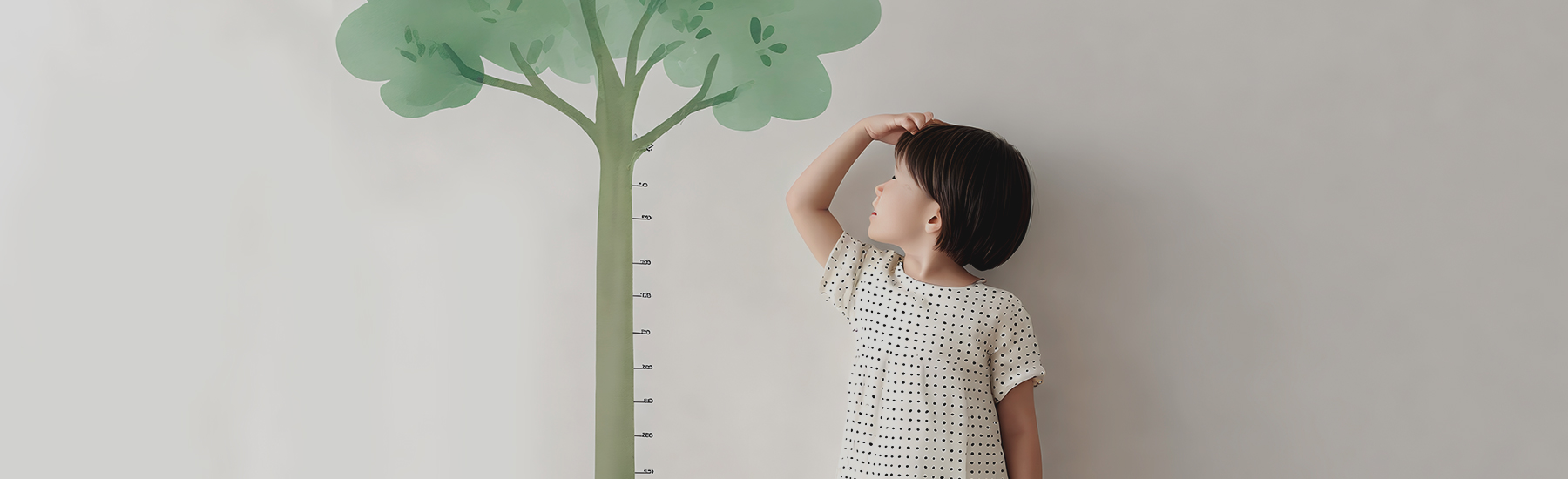
Is height genetic?
Genetic factors are one element that affects a child's height, but they are not everything.
Depending on how the acquired factors are managed,
growth outcomes differ.
01
The MPH formula for genetically predicted height
(Mid-Parental Height)
Boys: (father's height + mother's height + 13) ÷ 2
Girls: (father's height + mother's height - 13) / 2
02
Influence of genetic factors
About 23%
03
Acquired factors
77%
(nutrition, sleep, stress, exercise, growth environment, and so on)
By growth stage Focused care points
01
First growth spurt
Birth to age 2
-
The first rapid growth in life
-
Focused care for sleep, breastfeeding, and nutrition
02
Slow growth stage
Age 2 to before puberty
-
4~8cm growth per year on average
-
Steady and stable growth needs to be maintained
03
Second growth spurt
Around puberty
-
Girls: average age 12 / Boys: average age 14
-
Focused care before puberty begins matters
-
Before menarche in particular is the key window
Are growth injections alone enough?
Growth hormone injections work only when the hormone is genuinely lacking.
True growth requires managing the whole growth environment, including growth plate stimulation, nutrient absorption, immune balance, and posture correction.
Teo Korean Medicine Clinic's growth care program
01
Growth herbal medicine
-
Supporting growth hormone secretion
-
Prompting growth plate cell division
-
Treating underlying conditions and preventing precocious puberty
-
Strengthening stamina and immunity
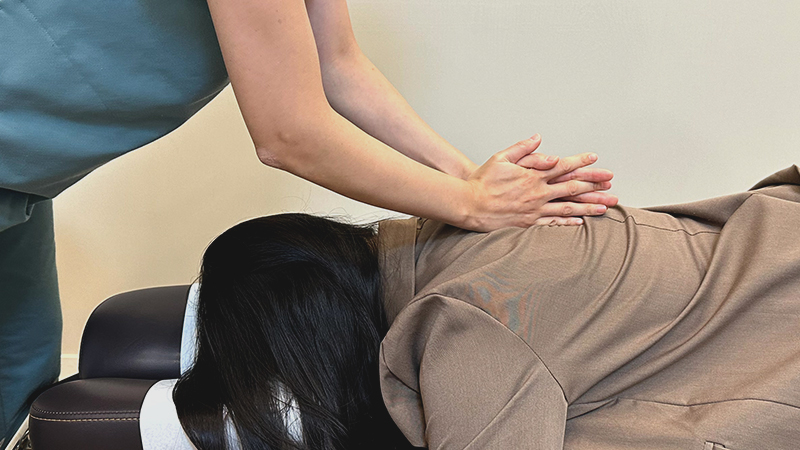
02
Growth Chuna therapy
-
Correcting imbalance of the spine and pelvis
-
Better posture → directly linked to height growth
-
Activating growth points by stimulating around the growth plate
03
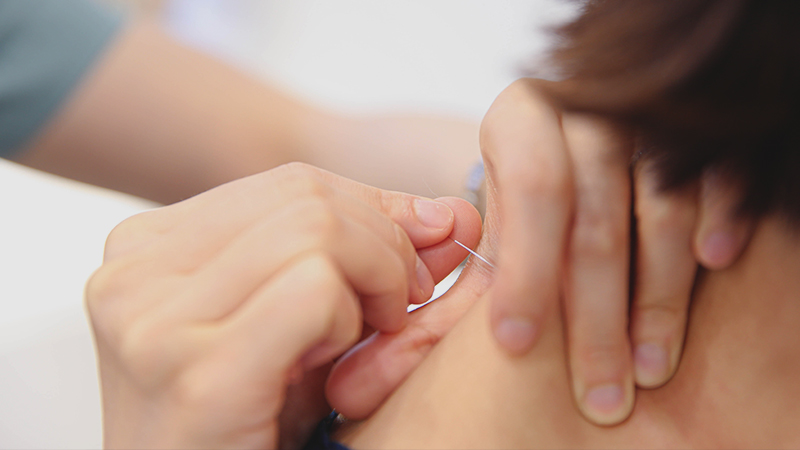
Growth acupuncture
-
Stimulation of growth points: Taegye, Gollyun, Joksamni, Eumneungcheon, and others
-
Increased blood flow around the growth plate
-
Easing growing pains
CHECKLIST
Child growth factor checklist
-
A balanced diet and digestive function
-
Sufficient and regular sleep
-
Stress / low mood and other psychological states
-
Allergic conditions such as rhinitis, atopic dermatitis, and sinusitis
-
Signs of precocious puberty
-
Activity level, body shape, and weight changes
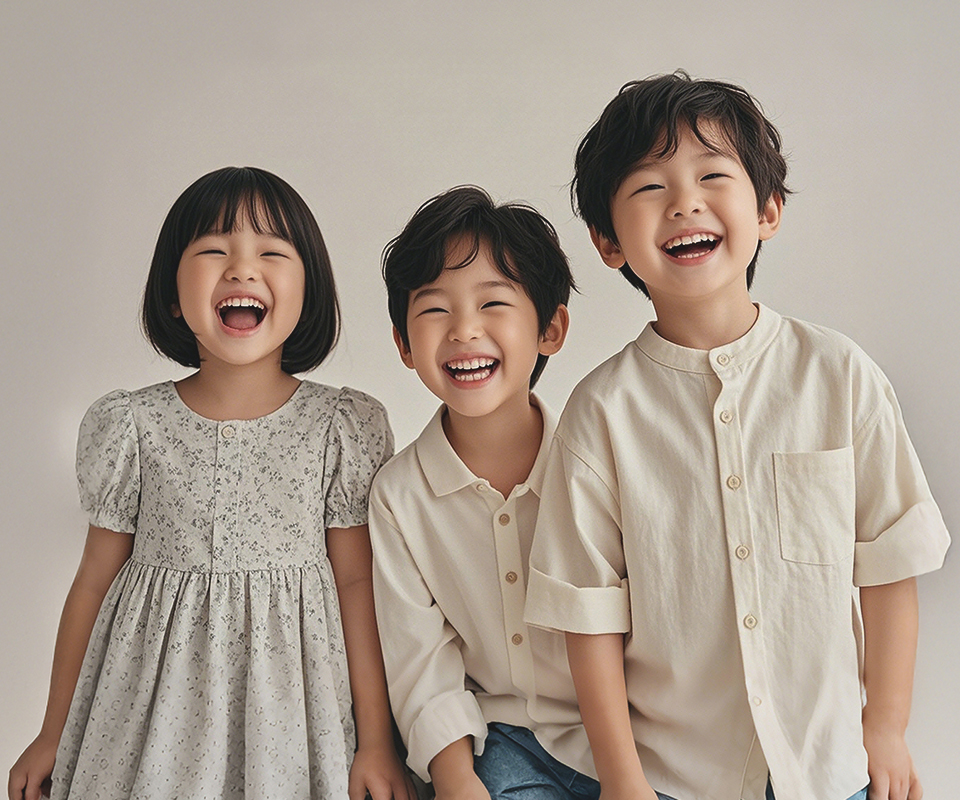
When is growth treatment needed?
If the items below apply to you,
we recommend growth care before the golden window passes.
01
I am more than 10 cm shorter than my peers

02
In 1 year, my child grows less than 4 cm
03
Wearing the same clothes for 2 years or more
04
I am worried about picky eating, childhood obesity, and precocious puberty
05
A child whose mother had an early first period
06
Hands and feet are cold, sensation is dull, and concentrating is hard
Teo Korean Medicine Clinic's growth herbal medicine,
what makes it different?

Deer antler, placenta extract, wild ginseng, and more —
premium herbal prescription

GMP-certified herbal ingredients
+ in-clinic refining system

1:1
personalized prescription
01
Growth hormone
Promotes natural secretion
02
Factors that hinder growth
Improvement
03
Improved digestive function →
Maximizes nutrient absorption
04
Musculoskeletal system
Developmental stimulation
05
Better concentration and energy
The start of growth care.
Now is the golden window
Growth is a race against time.
Before the growth plates close,
draw out your child's potential to its fullest.
Growth herbal medicine
Growth Chuna therapy
Growth acupuncture
Teo Korean Medicine Clinic Bundang offers A systematic growth care program based on growth herbal medicine, growth Chuna manual therapy, and growth acupuncture is offered here.
Ask us any time.
We support your child's healthy growth.
This is how growth care for children proceeds
Items for checking delayed growth
We check growth over 1 year.
We check the height difference from peers.
We check how long you have worn the same clothing size.
We check your child's height order in class.
We check for picky eating and a thin build.
We check whether precocious puberty is suspected and whether the mother had an early first period.
Body-shape checklist
We check pelvic height, left-right spinal twist, shoulder height, and shoulder girdle alignment.
Treatment interval
Growth acupuncture is done twice a week and growth Chuna manual therapy once a week. This may differ by branch.
Items assessed together
We also check loss of appetite, frequent minor illnesses, allergic conditions, digestive function, sleep and eating habits, and posture.
Korean medicine care for children and women
Postpartum recovery of energy · relief of swelling · hormone recovery
Why does postpartum care matter?
Childbirth goes beyond simply delivering a baby; it is a period in which a woman's whole body changes fundamentally. Beyond the drain on your energy, the overall balance of the uterus, joints, skin, endocrine system, and mind breaks down, and immunity drops considerably.
If the body is not properly restored during this period in particular, Postpartum wind, postpartum depression, swelling, hormone imbalance, chronic pain, postpartum obesity can easily follow, so in the 6–8 weeks after birth known as the ‘sanyokgi’ (postpartum recovery period), Energy, swelling, hormone recovery should all be restored in balance.
-
energy
-
Swelling
-
Hormone recovery
Postpartum recovery program
Step 1
Restoring energy
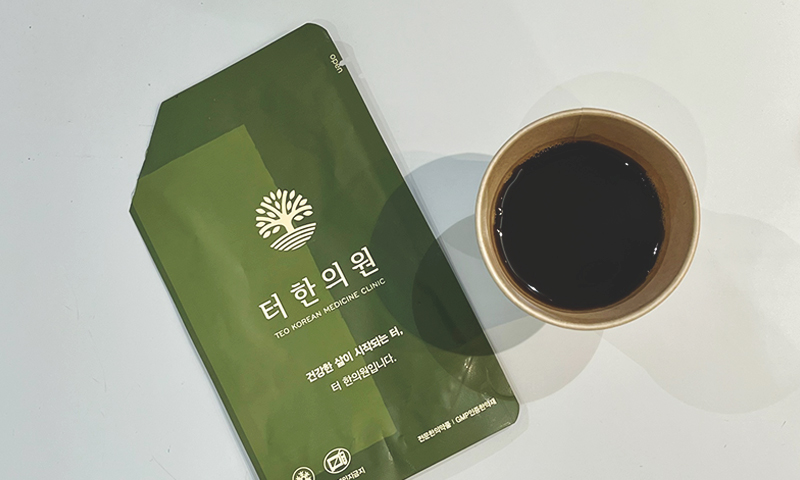
Postpartum tonic
-
Depleted by childbirth qi and blood replenished
-
Promoting uterine contraction and the discharge of lochia, resulting in recovery of uterine function
-
Immune support, restoring stamina → preventing infection and fatigue
-
Prevention of postpartum ailments (joint pain, chills, fatigue)
A tonic may be taken while breastfeeding, and an effect on regulating milk supply can also be expected.
Step 2
Swelling relief
Normalizing fluid metabolism
-
Reduced lymph and blood circulation → Unnecessary fluid retention → postpartum swelling
-
Restoring metabolism by improving kidney, liver, and heart function and constitutional weak points
-
Care matched to the area of swelling (for example the face, hands and feet, lower body, or one-sided swelling)
-
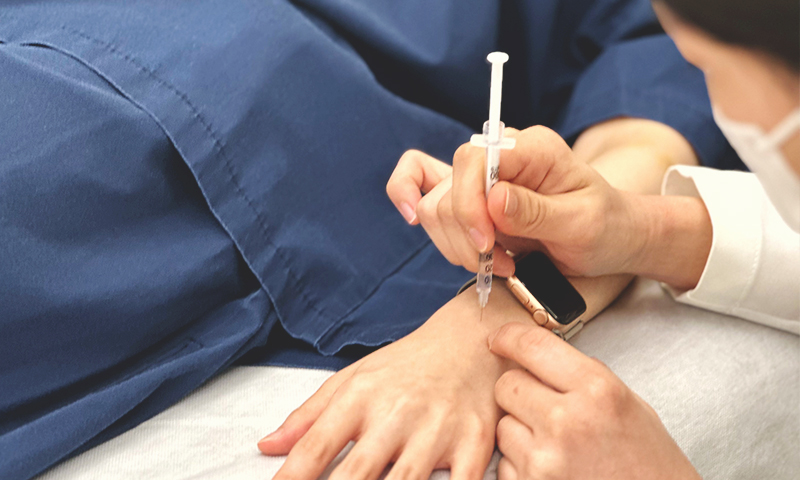
Herbal medicine, acupuncture, pharmacopuncture, Chuna used for a cause-specific approach
Overusing diuretics can worsen kidney function and in fact make swelling worse.
Over the long term your constitution can shift toward gaining weight easily, so early improvement matters.
Step 3
Hormone recovery
Restoring endocrine balance
-
Sharp hormone change after pregnancy and birth → Mood swings and sleep disturbance from autonomic dysregulation
-
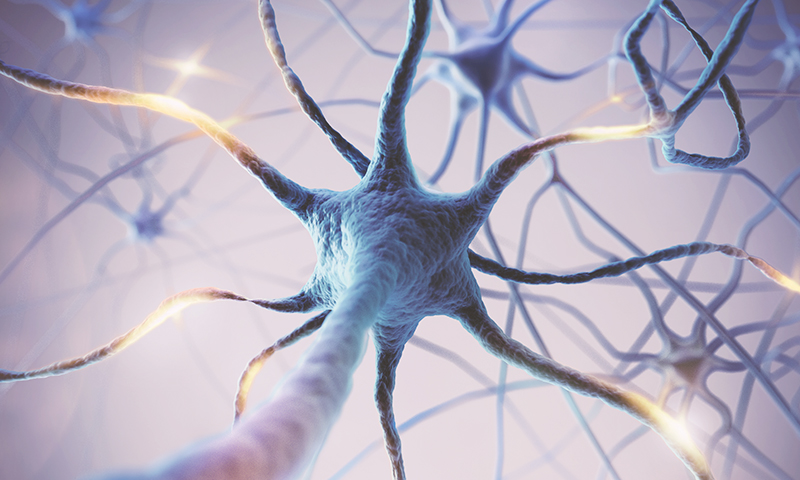
Relaxin in particular loosens the mother's joints, ligaments, and pelvis, and is secreted for 6 months after delivery, sometimes becoming a cause of postpartum body aches and changes in body shape
Korean medicine approach
01
Hormone regulation
-
Regulating the autonomic nervous system and hormone balance through acupuncture
02
Endocrine stabilization
-
Warming stimulation of the abdomen with moxibustion → a settled endocrine system
03
Restoring physical function and stamina
-
Restoring organ function and regulating energy metabolism with postpartum tonic herbal medicine
04
Managing psychological issues
-
Psychological issues such as depression and insomnia are addressed together
Postpartum depression, chronic fatigue, and irregular periods are also key targets of care where hormone recovery matters.
Korean medicine programs that go well alongside
01
Postpartum Chuna manual therapy
-
Pelvis and spine correction / Posture improvement / Promoting blood flow
02
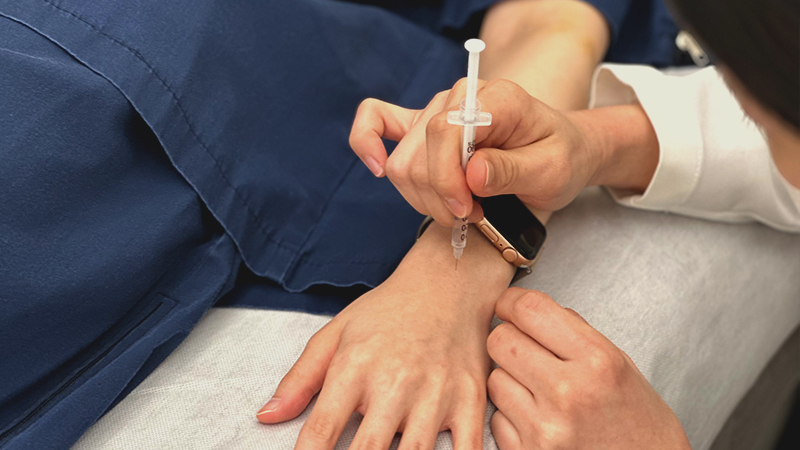
Pharmacopuncture care
-
Promoting qi and blood circulation / easing inflammation / settling hormones
03
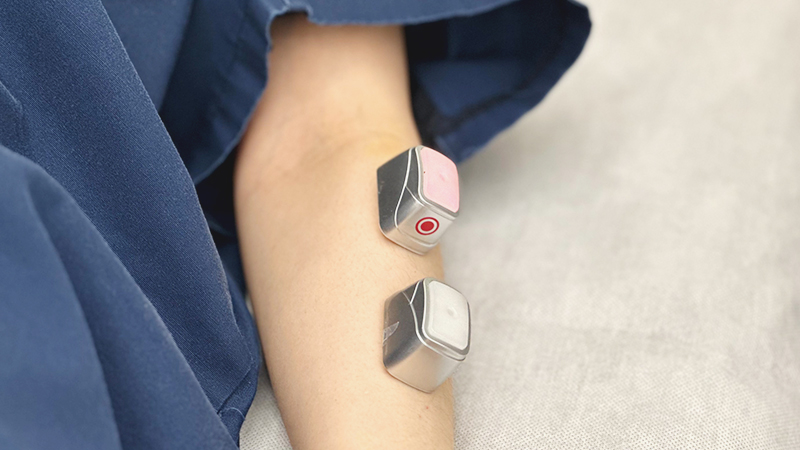
Moxibustion treatment
-
Body temperature recovery / Uterine function recovery / Improvement of abdominal coldness
04
Acupuncture treatment
-
Muscle relaxation, pain relief, and improved circulation
05
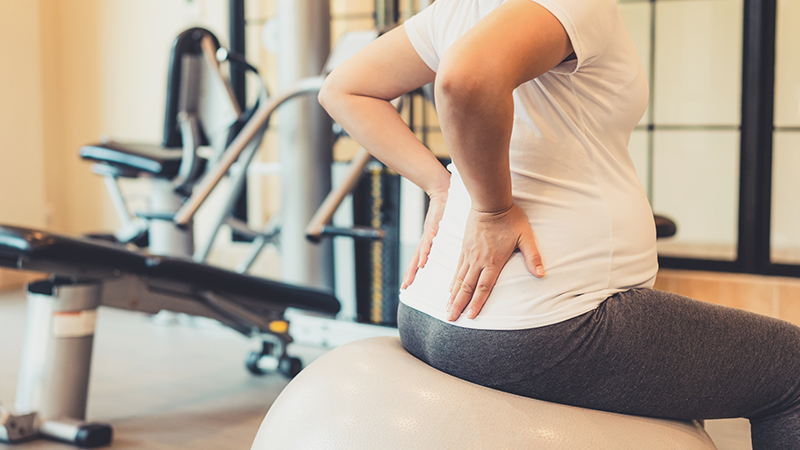
Postpartum weight management
-
Clearing residual fluid and body fat after childbirth / restoring body shape
recommendation
We recommend postpartum recovery care for the following
-
Those whose low energy, pain, or swelling lasts a long time after childbirth
-
Those experiencing postpartum low mood, lack of energy, or hormonal imbalance
-
Those who are breastfeeding but whose weight is not going down and who are swelling instead
-
Those who want intensive body care from right after childbirth through the first six months postpartum
Korean medicine postpartum recovery: how to begin
At Teo Korean Medicine Clinic, using know-how passed down across generations, we thoroughly analyze the timing of birth, the type of delivery, and the mother’s constitution and symptoms, and a One-to-one tailored Korean medicine postpartum recovery program is provided.

Postpartum tonic in 2 to 4 week courses
Formula change

Chuna manual therapy, acupuncture, moxibustion, pharmacopuncture, and more
Combined treatments

Teo Korean Medicine Clinic Bundang In-house herbal decoction system →
Uses safe herbal medicine

National Happiness Card · First Meeting Voucher
Vouchers accepted
TEO KOREAN MEDICINE CLINIC
Postpartum recovery is the starting point for lifelong health
" When a mother's body is healthy, the child is healthy too. "
The postpartum period is a time of recovery and at the same time,
an important window for shaping lifelong health.
Energy, circulation, and hormones all recovering in balance —
Teo Korean Medicine Clinic is with you so that this can come about.
This is how postpartum care proceeds
Checklist
We check the timing of childbirth.
We check the type of delivery.
We check whether you are breastfeeding.
We check the constitution and the symptoms.
We check your lifestyle habits.
Preparation schedule
Postpartum tonic herbal medicine is reformulated every 2-4 weeks.
Symptoms assessed together
We check low energy, pain, swelling, wrist pain, postpartum low mood, sleep disturbance, chronic fatigue, and postpartum weight gain together.
Treatment items
Treated with postpartum tonic herbal medicine, postpartum Chuna manual therapy, acupuncture, moxibustion, and pharmacopuncture.
For a healthy woman's life:
Teo Korean Medicine Clinic's constitution-matched care
Irregular menstruation · Polycystic ovary syndrome · Infertility · Menopausal disorder · Hormone regulation
Essential care for women:
‘hormone balance’
A woman's body changes
throughout life according to delicate hormonal rhythms, from menstrual cycles and fertility to menopause.
Even a small disruption can quickly appear as irregular menstruation or abnormal bleeding and,
if left untreated, may lead to infertility, early menopause, or menopausal symptoms.
Along with hormonal changes, common women's health conditions such as Cystitis is also considered.
Teo Korean Medicine Clinic Bundang provides individualized care based on your constitution to restore the rhythm of the body.
CHECKLIST
Not a passing thing to brush off,
an urgent distress signal from the body may be what this is.
Menstrual irregularities such as the following may result from a combination of causes, including reduced uterine and ovarian function, stress-related disorders, and weight changes.
Rather than simple symptom relief Finding the root cause and treating it to match the constitution is needed.
-
The cycle is short or too long.
-
My menstrual flow suddenly decreased or increased.
-
There is bleeding between periods.
-
Menstrual pain is severe every time and you come to rely on painkillers.
[ Women's Health · Department 01 ]
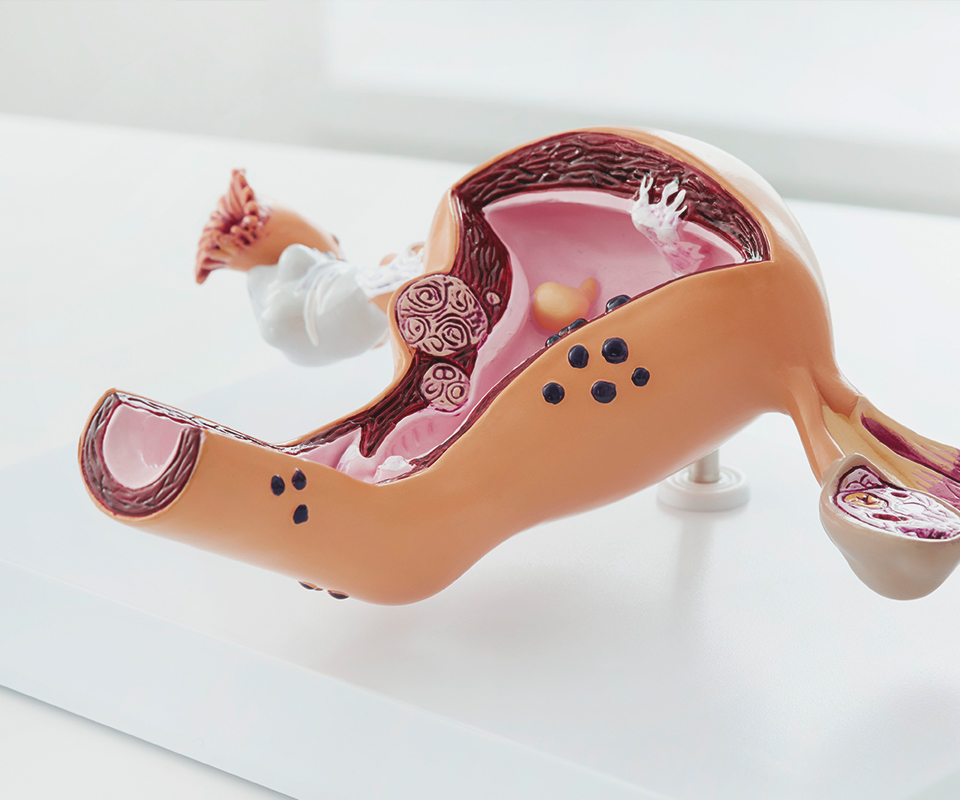
Polycystic ovary syndrome (PCOS)
It may not be simple menstrual irregularity.
An accurate diagnosis of the cause and treatment according to constitution are central.
Polycystic ovary syndrome comes with anovulation, hyperandrogenism, insulin resistance, and more,
appearing as symptoms such as irregular menstruation, acne, hair loss, weight gain, and infertility.
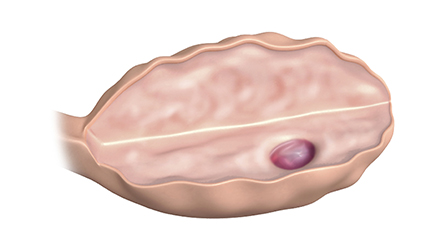
A normal ovary
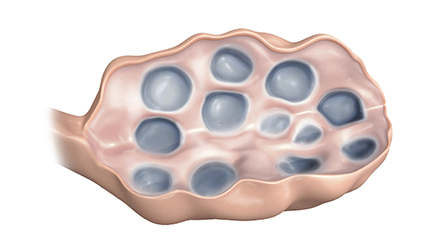
Polycystic ovary syndrome ovaries
PCOS self-assessment checklist
If you have the following symptoms,
treatment after an accurate diagnosis is needed.
01
Menstrual cycles are irregular and often skipped
02
Hair grows thickly on the abdomen, thighs, and elsewhere
03
Weight is gained easily and comes off slowly
04
Acne appears often and the hair becomes thinner
Teo Korean Medicine Clinic treatment approach
Polycystic ovary syndrome care
Through herbal medicine and constitutional acupuncture
Regulating hormonal imbalance
Uterus and ovaries
Functional recovery

With heat therapy
Improved lower-abdominal circulation
Body fat control and dietary improvement
Correcting daily habits alongside it
[ Women's Health, Specialty 02 ]
Infertility care guide
The healthiest preparation for natural conception
Infertility is not a woman's problem alone.
Potential causes include sperm problems in men, ovulation disorders, and structural problems of the uterus or fallopian tubes.
These diverse causes should be assessed comprehensively, as stress and constitutional factors may also play a significant role.
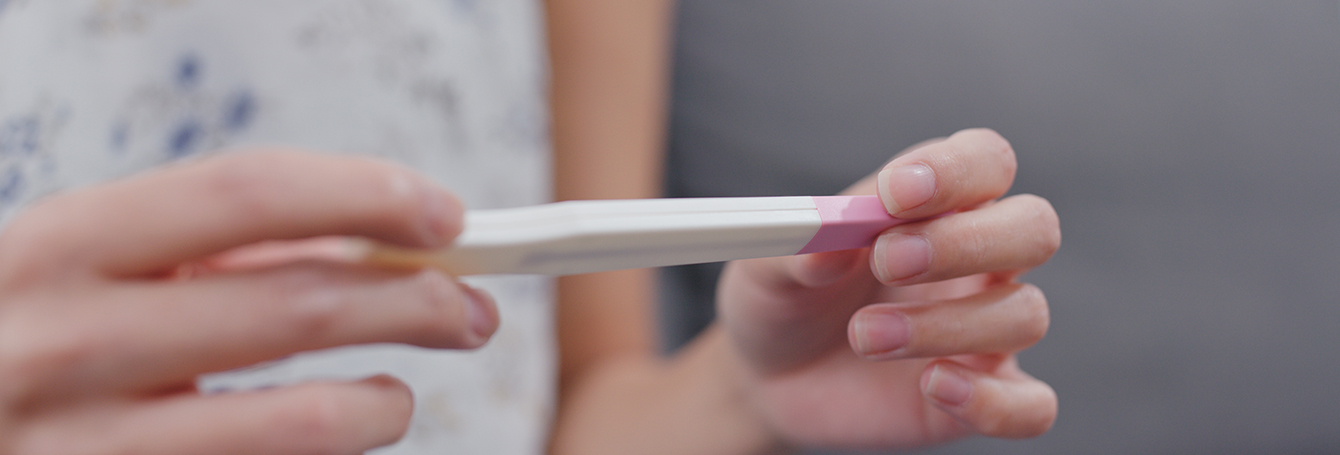
The core of Teo Korean Medicine Clinic infertility care
01
Customized herbal prescription
Through constitution, abdominal, and tongue examination
Customized herbal prescription
02
Constitution acupuncture
Normalizing the ovulation cycle with constitutional acupuncture, and
Support ovarian function
03
Pelvic Chuna therapy and cupping
With pelvic Chuna therapy and cupping
Improving the uterine environment
04
Addressing male factors
Reduced sperm motility or
Support for male factors in azoospermia
[ Women's Health Care 03 ]
Menopausal disorder
Preparing for a lively 2nd act in life
A woman's 2nd puberty,
Life is more comfortable when you understand and manage the changes in your body.
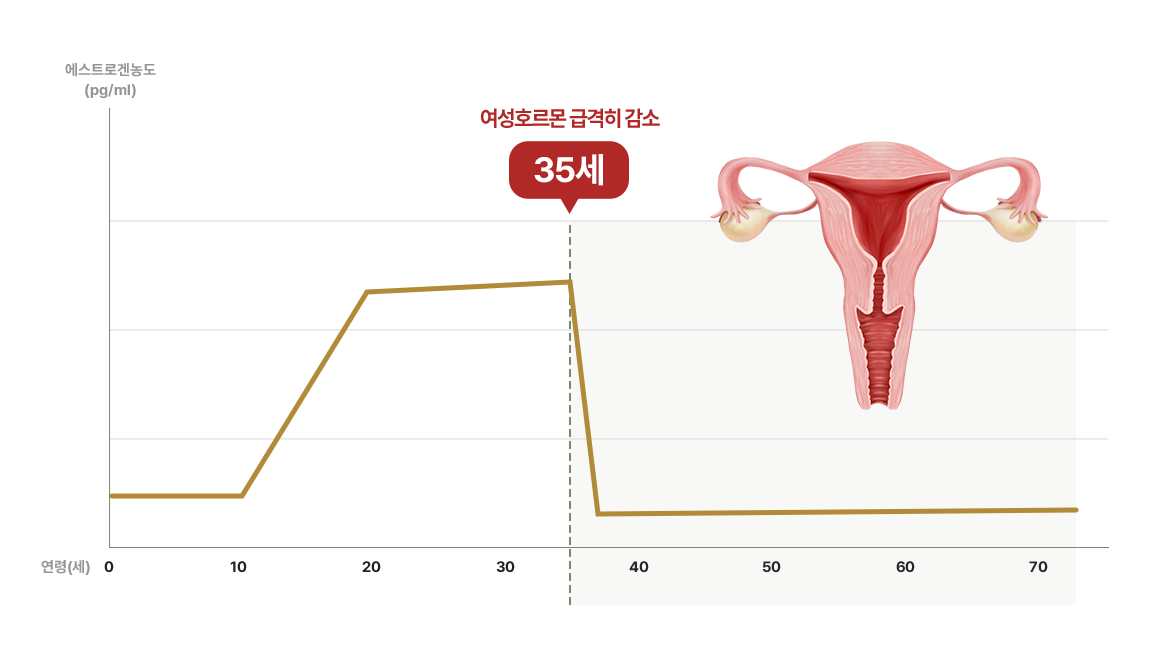
As female hormones drop sharply around age 35,
various physical and mental symptoms begin.
At this point, rather than accepting menopause as mere physiological aging,
it is important to recognize it as something to be treated.
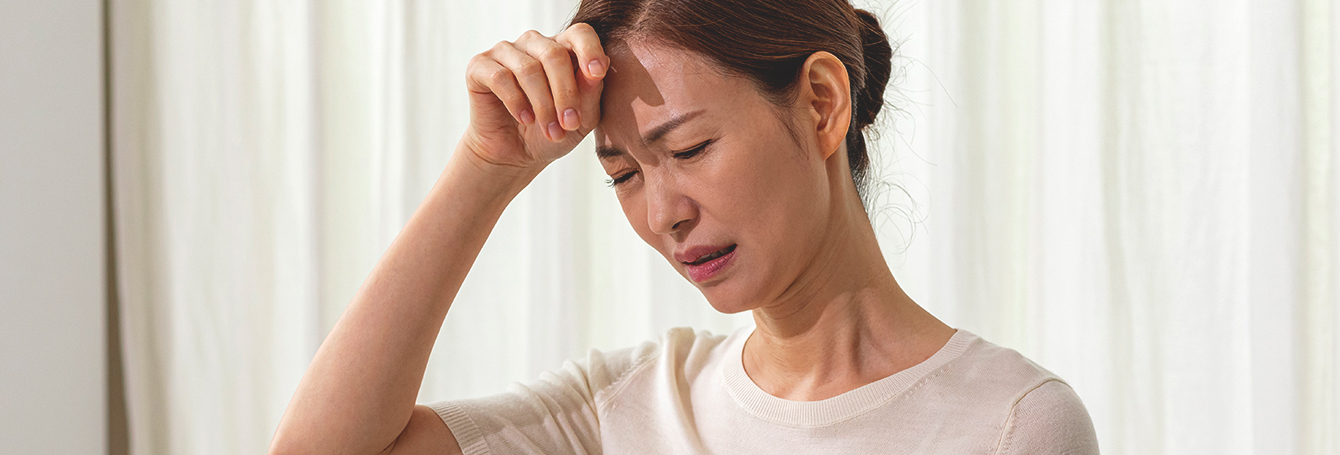
Main symptoms of menopause
01
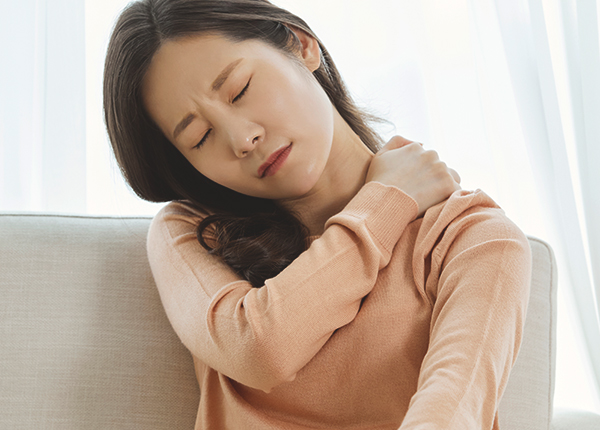
Facial flushing, night sweats, insomnia, fatigue
02
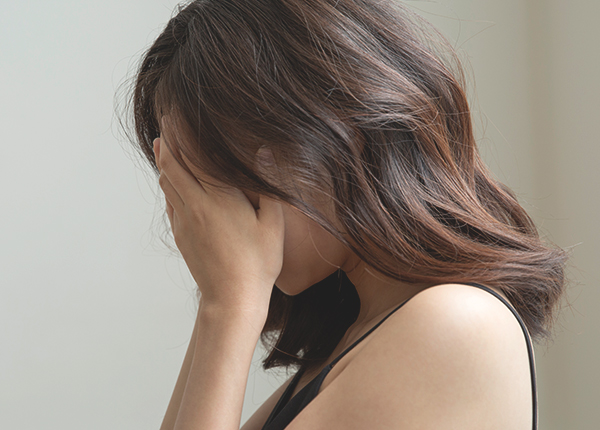
Anxiety, low mood, listlessness
03
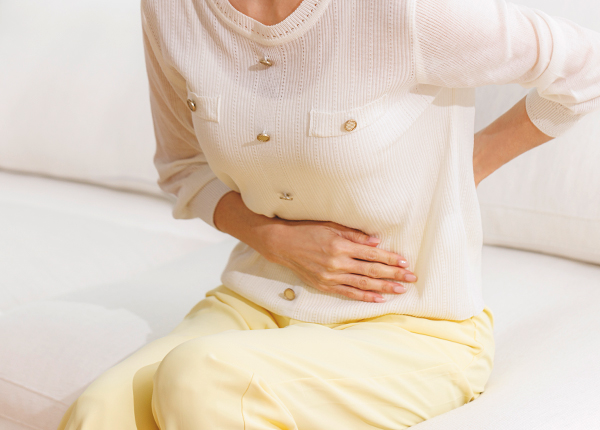
Vaginal dryness, lower libido, frequent urination
04
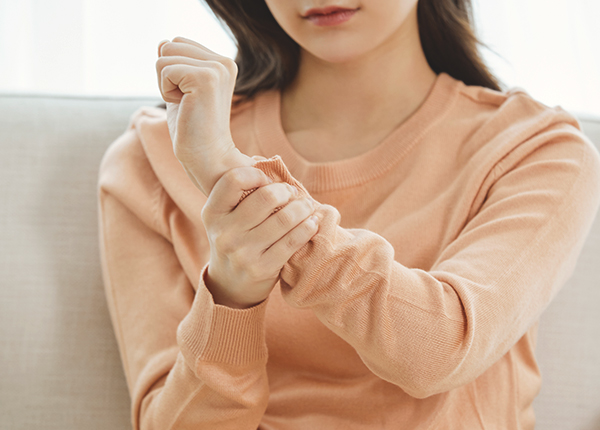
Memory decline, osteoporosis,
Increased cardiovascular risk
Facial flushing is not only about menopause
Temperature changes and falling hormones act together
When temperature changes repeat, such as coming into a warm room after being out in the cold, the blood vessels in the face expand and contract again and again, and the face may redden temporarily. During menopause, declining female hormones also make the autonomic nervous system that regulates vascular movement unstable, so the face tends to redden more easily and stay red longer with the same stimulus.
There are also cases in which the redness comes from the skin itself
Facial redness cannot be put down to menopause alone. There are also cases where heat gathers in the skin itself, as with seborrheic dermatitis, so even if it overlaps with the menopausal years, the approach can differ depending on the cause.
Habits that give the body a sudden temperature change, such as a sauna or a hot bath, can make redness of the face stronger, so it is better to avoid them while symptoms are present.
Core of Teo Korean Medicine Clinic care
01
Herbal medicine treatment
Hormone balance through herbal treatment, and
Improved blood circulation
02
Constitution acupuncture
Stabilizing the autonomic nervous system with constitutional acupuncture, and
Relief of mood swings
03
Chuna manual therapy
Relieving nerve compression through Chuna manual therapy and
Restoring spinal health
04
Psychological care
Even emotional issues such as 'hwabyeong'
Care together
The cause of menopausal symptoms: female hormones
A decline in female hormones between the ages of 35 and 50
causes menopausal symptoms.
01
Treatment of conditions such as high blood pressure and diabetes
Chronic conditions also affect ovarian function and reduce the secretion of female hormones.
02
Stress and irregular lifestyle habits
Stress and irregular lifestyle habits interfere with a healthy menstrual cycle and worsen menopause.
03
Reduced ovarian function, aging
As aging progresses, ovarian function declines and the secretion of female hormones drops sharply from age 35.
TEO KOREAN MEDICINE CLINIC
A time to restore a woman's rhythm and
return to a healthier self
Teo Korean Medicine Clinic goes beyond treating symptoms,
we approach it in a way that restores the body's foundation.
From hormone problems, irregular periods, and polycystic ovaries to preparing for pregnancy and menopause.
With integrated care spanning a woman's whole life cycle,
restore health to both body and mind.
Warm the body, feel lighter, and
restore a healthy daily life for women
Cold sensitivity, fatigue relief, and personalized constitution care for women
A woman's health
starts with her constitution
Women are exposed to hormonal changes and changes in body temperature throughout their whole lives, through menstruation, pregnancy, childbirth, and menopause.
Especially when the body is cold or circulation is not smooth,
it can lead to a range of symptoms such as cold sensitivity, fatigue, digestive trouble, menstrual pain, and conditions of the uterus.
These symptoms are easy to dismiss as simply being run down, but they are signals from your constitution and a starting point for improvement.
CHECKLIST
If you have these symptoms,
constitution improvement is needed.
-
My hands and feet are often cold and I wear socks even in summer
-
Severe fatigue and swelling before and after periods
-
When you are stressed, digestion is poor and your stomach feels bloated
-
I have trouble falling asleep at night, or I wake often
-
My body feels heavy and I am tired for no reason
-
Frequent menstrual pain, irregular periods, and vaginal discharge
-
You have a history of gynecologic conditions such as uterine fibroids or ovarian cysts
-
After a missed miscarriage or repeated miscarriage, the body does not recover well
How Korean medicine sees issues of women's constitution
In Korean medicine, problems such as cold sensitivity, fatigue, and
irregular menstruation are seen not simply as ‘symptoms’ but,
We see it as an imbalance of constitution, disturbed qi and blood circulation, and declining function of the internal organs.
In women in particular, the function of the uterus and kidneys, the circulation of qi and blood,
Liver qi (肝氣), which maintains emotional stability, must be kept in balance.
If this balance breaks down, cold sensitivity, menstrual problems, infertility, or low mood can
It may appear.
-
Uterine and kidney function
-
qi and blood circulation
-
Liver qi (肝氣)
Why do menopausal symptoms occur?
From around the age of 35, secretion of female hormones gradually begins to fall, and this shortfall forms the background to menopausal symptoms.
The following factors work together in the decline of female hormone secretion.
Disease treatment
Chronic conditions such as high blood pressure and diabetes also affect ovarian function and reduce the secretion of female hormones.
Stress and lifestyle habits
Stress and irregular lifestyle habits can disturb a healthy menstrual cycle and make menopausal changes feel more pronounced.
Declining ovarian function and aging
As aging progresses, ovarian function declines and the secretion of female hormones gradually decreases.
For managing menopause, hormone therapy at an obstetrics and gynecology clinic is also one of the standard options. Bleeding outside of your period can be a sign of another condition and needs a gynecological examination, and if low mood lasts a long time or is severe, please also consider seeing a psychiatry department.
Teo Korean Medicine Clinic constitution improvement care
1:1 tailored care for a woman's body.
01
Herbal medicine treatment
It supplements qi and blood, strengthens the function of the uterus and ovaries, and improves circulation. Cold sensitivity, fatigue, irregular menstruation, endometrial recovery, and immune strengthening are all considered at once.
02
Pharmacopuncture treatment
Herbal ingredients are injected directly into the acupoints around the uterus to improve blood flow and clear blood stasis.
03
Chuna manual therapy
Correcting the alignment of the pelvis and the spine relieves pressure on the internal organs and restores balance of body shape.
04
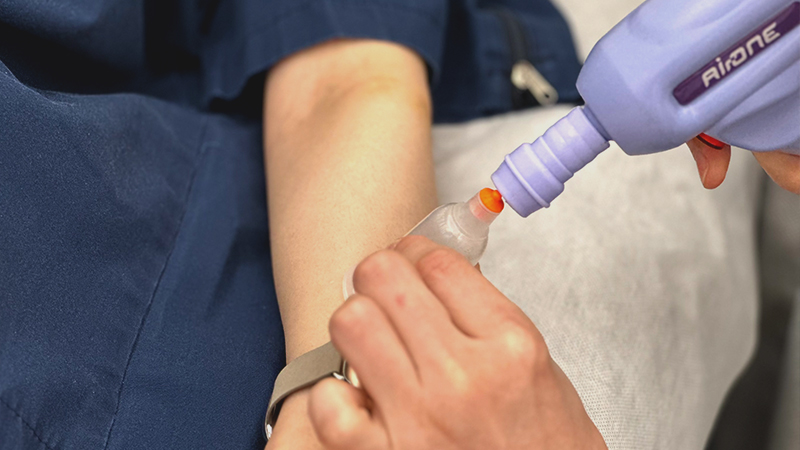
Moxibustion / Cupping
Warming stimulation improves coldness in the lower abdomen and warms the uterus.
After a missed miscarriage or D&C,
restoring your constitution is essential
A miscarriage is not simply the end of a pregnancy; it is 'a change on the order of childbirth.'
In particular, after curettage following a miscarriage, the uterine lining is damaged and
hormone levels and uterine conditions are highly unstable.
Herbal medicine after miscarriage aims for the following

Clearing blood stasis in the uterus and
Discharge of lochia
Endometrial recovery and
Preventing adhesions

Ovulation cycle and
Normalizing hormones

Cold sensitivity and fatigue
Improvement
For the next pregnancy
Creating a healthy uterine environment
Every early morning, Teo Korean Medicine Clinic
decocts herbal medicine for each constitution by hand.
A prescription that fits my body exactly,
the start of a warm recovery.
How Teo Korean Medicine Clinic begins treatment

Constitutional pulse diagnosis, a questionnaire, and an autonomic nervous system test
to tell each individual's constitution apart

Menstrual pattern, underlying conditions, sleep, digestive function,
Overall assessment including fatigue
Personalized herbal medicine + acupuncture / moxibustion / pharmacopuncture / Chuna manual therapy after your consultation
Combined Treatment
After constitutional improvement: menstrual pain, irregular menstruation, infertility,
Cold sensitivity and chronic fatigue can improve together
TEO KOREAN MEDICINE CLINIC
Care for women's lives:
cold sensitivity is a constitutional issue and
an indicator of uterine health.
Fatigue is a problem of energy metabolism and a warning about whole-body balance.
Teo Korean Medicine Clinic aims to support
constitution-centered health recovery throughout
a woman's entire life cycle, not just treat symptoms.
We hope every day is lighter and warmer for women.
Treatment suited to your constitution, Teo Korean Medicine Clinic Bundang — start here.
Frequently Asked Questions
FAQ
Can I take a postpartum herbal tonic while breastfeeding?
Postpartum herbal tonics are adjusted in 2–4 week units after checking the timing of childbirth, type of delivery, whether you are breastfeeding, constitution and symptoms, and lifestyle habits.
Which symptoms after childbirth do you look at?
We check low energy, pain, swelling, wrist pain, postpartum depressed mood, sleep problems, chronic fatigue, and postpartum weight gain together, and treat with postpartum tonic herbal medicine, postpartum Chuna manual therapy, acupuncture, moxibustion, and pharmacopuncture.
My child is shorter than peers. How do you check this?
We check growth over the past year, the height difference from peers, how long the same clothing size has been worn, height rank in class, picky eating and a thin build, any suspicion of precocious puberty, and whether the mother had early menarche.
How often is growth treatment given?
Growth acupuncture is done twice a week and growth Chuna manual therapy once a week, which may differ by branch.
Do you also look at my child's posture and spine?
We check pelvic height, left-right twisting of the spine, shoulder height, and shoulder-girdle alignment, together with poor appetite, frequent minor illnesses, allergic conditions, digestive function, sleep and eating habits, and posture.
What do chronic conditions have to do with menopause?
Chronic conditions such as high blood pressure and diabetes can also affect ovarian function and reduce female hormone secretion. Hormone therapy from obstetrics and gynecology is also one of the standard options for managing menopause, and if there is abnormal bleeding or a severely depressed mood, please consider seeing obstetrics and gynecology and psychiatry as well.
Is facial flushing always due to menopause?
No. The face can also turn red from temporary blood vessel dilation due to temperature changes or from skin problems such as seborrheic dermatitis, so even if it coincides with menopause, the approach may differ depending on the cause.
Are there lifestyle habits to avoid when you have facial flushing?
Habits that give the body a sudden temperature change, such as a sauna or a hot bath, can make redness of the face stronger, so it is better to avoid them while symptoms are present.
Location & Treatment Info
Branch Name
Teo Korean Medicine Clinic Bundang
Address
67 Dolma-ro, Bundang-gu, Seongnam, Gyeonggi-do (Geumsan JamWorld, 2F)
Nearest station
Suin-Bundang Line and Shinbundang Line Migeum Station, Exits 1 and 2 · Exit 1 — 2F of Geumsan Gem World (JS King Hotel) on the right · Exit 2 — 2F of Geumsan Gem World (JS King Hotel) on the left
Bus
Get off at Migeum Station 2001 Outlet bus stop; walk 288 m
Teo Korean Medicine Clinic Bundang Women / Children Service Area
Teo Korean Medicine Clinic Bundang: Women / Children care, patients come to us from Geumgok-dong·Jeongja-dong·Gumi-dong·Sunae-dong·Seohyeon-dong·Imae-dong·Yatap-dong.
The subway stations used are Migeum Station·Jeongja Station·Ori Station·Sunae Station·Seohyeon Station·Imae Station·Yatap Station.