



Teo Korean Medicine Clinic Bundang Facial asymmetry
Open 365 Days a Year · Weekday evening hours until 9 PM · Sundays & Holidays until 5 PM
“
Asymmetry clinic
Correction of cheekbone and jawline asymmetry & acupuncture, Chuna manual therapy used for facial balance treatment
Facial asymmetry care guide
Facial asymmetry is a problem that affects not only the features of the face but also the cheekbones, the jawline, and the balance of the skull as a whole. When the left-right balance of the face is lost, it can lead not only to asymmetry of the facial muscles but also to a chain of symptoms including jaw joint problems, headaches, postural imbalance, and digestive trouble.
In the twenties and thirties in particular, the bones are still flexible, so it is an important time for early treatment.
If a small asymmetry is left alone now, the symptoms may worsen quickly within a few months.
Typical types of facial asymmetry

Eyebrows and eyes
Differences in position and size
Cheekbone asymmetry and
Height Difference
A jawline tilted to one side
Deviated nose
Asymmetry of the dental midline
Causes of TMJ disorders
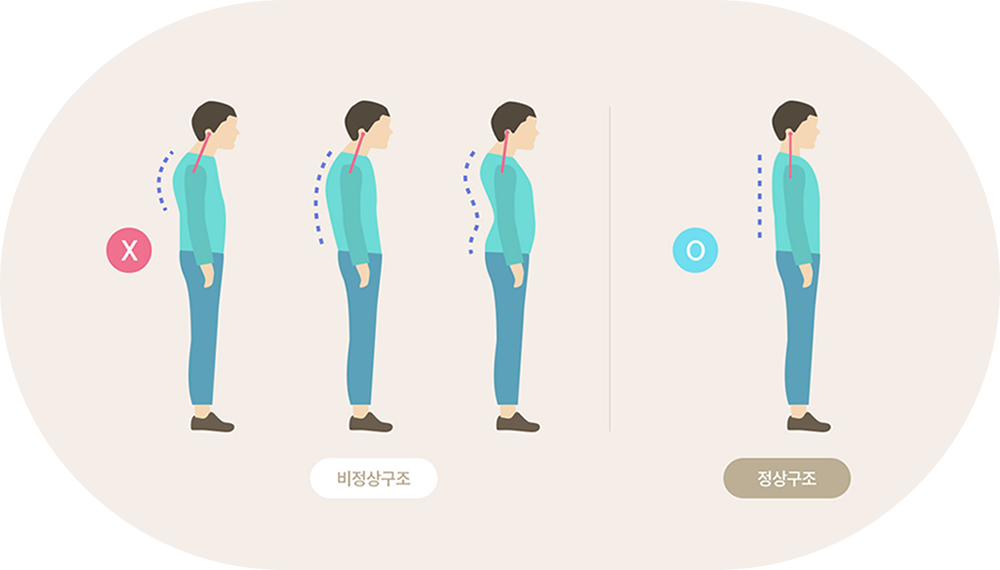
01
Habits
Jaw joint disorders sometimes arise from eating habits that favor hard, chewy foods that strain the jaw, or from habits such as teeth grinding.
02
External trauma
There are cases where TMJ disorder arises from damage to the jaw joint caused by an external impact such as a collision.
03
Tooth alignment
When functional problems caused by tooth alignment are left for a long time, they can develop into a temporomandibular joint disorder.
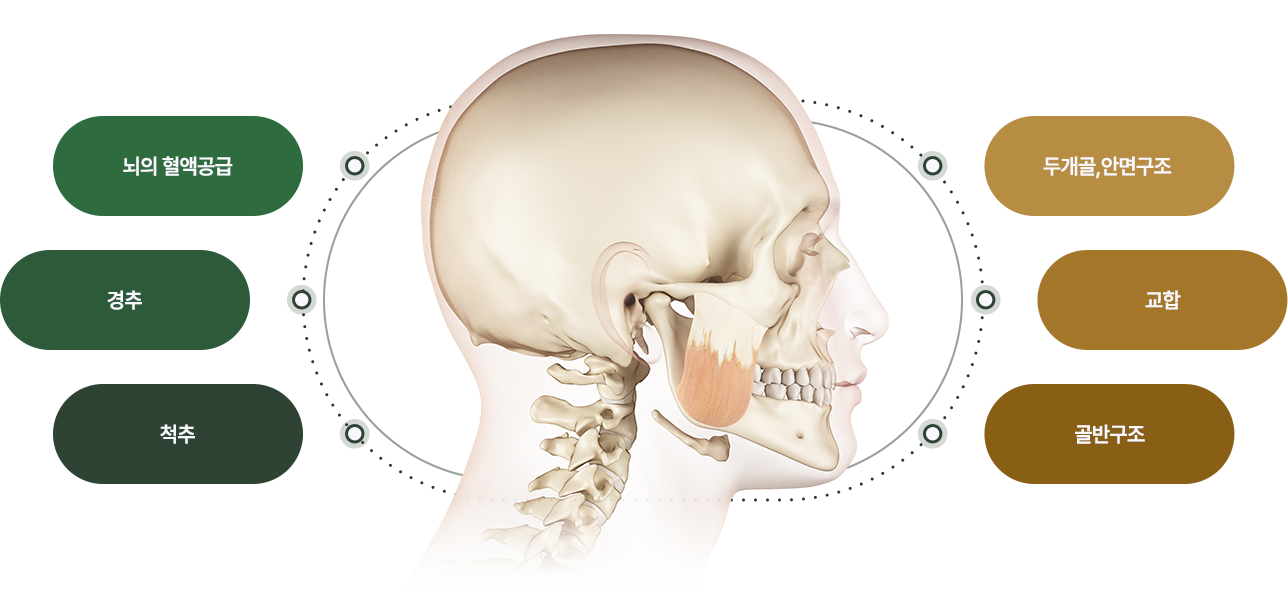
Why the jaw joint matters
The temporomandibular joint is an important joint that directly affects many parts of the body.
The jaw joint is affected by problems in the occlusal structure and malocclusion, changes in facial structure —
and it can also have a direct effect on the whole skull and facial bones.
Facial asymmetry self-check list
If you have these symptoms, asymmetry correction is needed.
01
The left and right sides of your face look different in the mirror

02
The jaw is bent to one side
03
The eyes or eyebrows sit at different heights
04
The left-right balance of the whole body is off (shoulders, pelvis, and so on)
05
The midlines of the upper and lower teeth do not match
Causes of facial asymmetry

Congenital factors
Heredity and asymmetric skull development

Acquired factors
Resting the chin on the hand, crossing the legs, chewing on one side,
Accident trauma, temporomandibular disorder, and so on
Problems that facial asymmetry
can cause

TMJ disorders
Jaw pain, difficulty opening the mouth, clicking sounds, and so on

Tension pain and stiffness
Headache, eye pain, neck/shoulder pain

Postural imbalance
Low back pain from spinal and pelvic imbalance

Reduced lymph and blood circulation
Swelling, dizziness, bruising, reduced concentration

Digestive dysfunction
Chronic indigestion, diarrhea, or constipation
Teo Korean Medicine Clinic's
asymmetry correction program
01
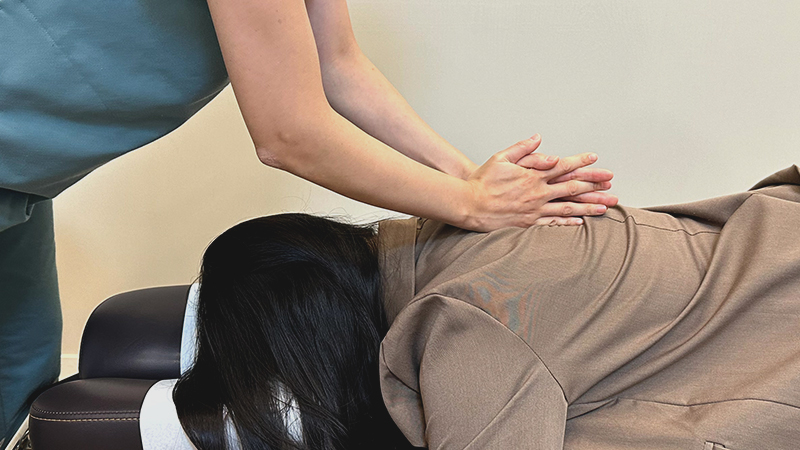
Chuna manual therapy
This is a treatment that manually adjusts the cervical spine (neck bones), the jaw joint, and the spine to balance the face. Facial asymmetry does not stop at the face; it is closely linked to the spine and pelvis, so an approach that corrects the alignment of the whole body together is needed.
02
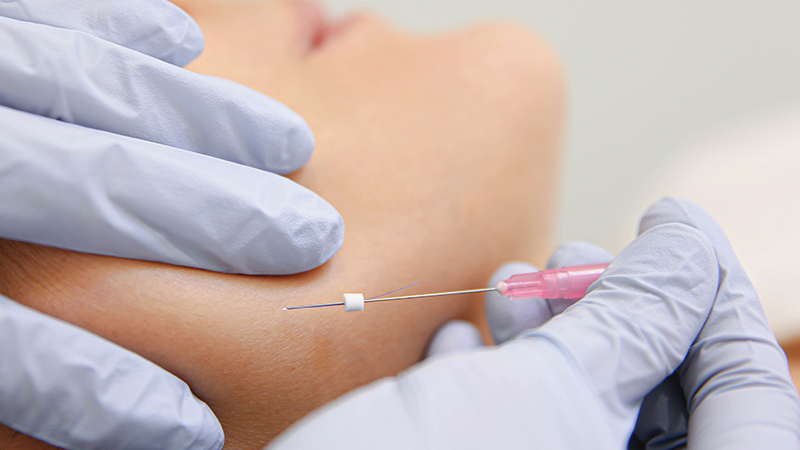
Thread-embedding acupuncture
Medical absorbable threads are used to correct wrinkles and asymmetry of the jawline. It may help lift the skin and restore firmness in the muscle layer, and applying it intensively to the asymmetric area allows precise correction.
03
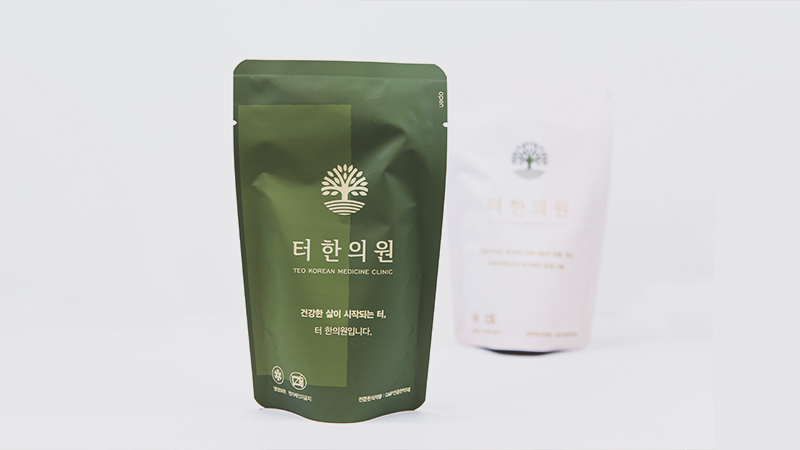
Herbal medicine treatment
It adjusts imbalances inside the body (liver qi stagnation, phlegm retention, qi and blood deficiency, and so on) to ease qi and blood circulation and muscle tension in the face. It is a root treatment that restores inner resilience and balance together.
04
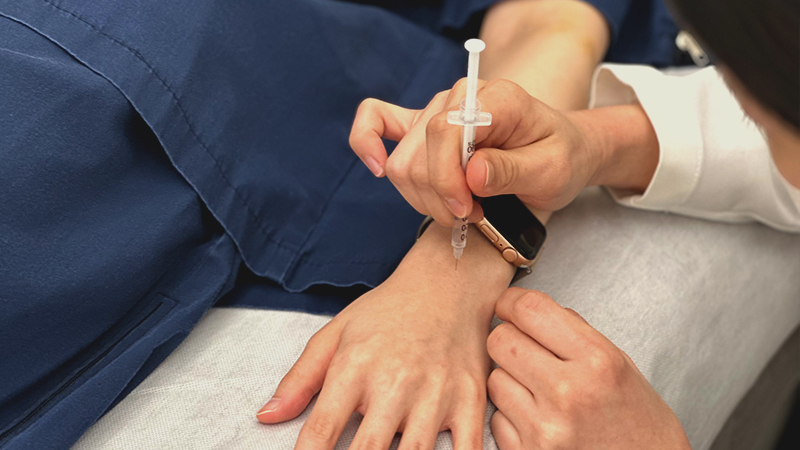
Pharmacopuncture treatment
When there is a lot of tension in the muscles around the jaw, neck, or shoulders, pharmacopuncture is used to release the knotted muscles, easing pain and helping circulation.
Lifestyle care guide for recovery
Daily care matters too
-
Always keep good posture.
-
Make a habit of chewing food evenly on both sides.
-
Please protect your whole-body balance through enough rest and sleep.
TEO KOREAN MEDICINE CLINIC
Considering both appearance and function:
asymmetry correction
Facial asymmetry is not only a matter of appearance;
because it is directly tied to balance problems in the whole body,
genuine treatment is possible only by addressing functional problems together.
Through precise and careful diagnosis, Teo Korean Medicine Clinic provides
personalized 1:1 asymmetry correction treatment that goes beyond a simple procedure,
addressing both function and appearance.
Take the first step toward facial balance now:
Teo Korean Medicine Clinic Bundang start here.
Guide to care for temporomandibular disorder and difficulty opening the mouth
We check for jaw pain, difficulty opening the mouth, and whether a clicking sound comes with headaches or neck and shoulder pain.
Assess symptoms and balance
Beyond jaw joint problems and facial asymmetry, we also look at the facial muscles and the alignment of the cervical spine, the spine, and the pelvis.
Checking habits and causes
We check the habit of often eating hard, chewy foods, teeth grinding, external impact, and problems with tooth alignment.
Care approach
Depending on your condition we consider Chuna manual therapy, which looks at the cervical spine, the temporomandibular joint, and the spine, and pharmacopuncture treatment, which looks at tension around the jaw, neck, and shoulders.
Frequently Asked Questions
FAQ
What is checked during the consultation?
We check the area of concern, sagging nasolabial folds and soft tissue asymmetry, whether it is a fat problem or a skin elasticity problem, age and skin condition, and photos before the procedure, and photos are always taken in the same place.
Do you look only at the face, or also the neck and jaw?
We also look at tenderness in the neck and back, and if the jaw joint makes sounds or hurts, we treat it together.
What symptoms are checked for TMJ disorder or limited mouth opening?
We check for jaw pain, limited mouth opening that makes it hard to open the mouth, and clicking along with headache, eye pain, and neck and shoulder pain.
Do you also look at teeth grinding in relation to TMJ disorders?
We also check habits of often eating hard, chewy foods, teeth grinding, external impact, and tooth alignment problems as causes of TMJ disorder.
How do you approach TMJ disorder and facial asymmetry?
We look at the alignment of the cervical spine and jaw joint, and of the spine and pelvis, together, and depending on the condition consider Chuna manual therapy and pharmacopuncture that addresses tension around the jaw, neck, and shoulders.
Location & Treatment Info
Branch Name
Teo Korean Medicine Clinic Bundang
Address
67 Dolma-ro, Bundang-gu, Seongnam, Gyeonggi-do (Geumsan JamWorld, 2F)
Nearest station
Suin-Bundang Line and Shinbundang Line Migeum Station, Exits 1 and 2 · Exit 1 — 2F of Geumsan Gem World (JS King Hotel) on the right · Exit 2 — 2F of Geumsan Gem World (JS King Hotel) on the left
Bus
Get off at Migeum Station 2001 Outlet bus stop; walk 288 m
Teo Korean Medicine Clinic Bundang Skin / Face Service Area
Teo Korean Medicine Clinic Bundang: Skin / Face care, patients come to us from Geumgok-dong·Jeongja-dong·Gumi-dong·Sunae-dong·Seohyeon-dong·Imae-dong·Yatap-dong.
The subway stations used are Migeum Station·Jeongja Station·Ori Station·Sunae Station·Seohyeon Station·Imae Station·Yatap Station.