



Teo Korean Medicine Clinic Bundang Spine & Joint Pain
Open 365 Days a Year · Weekday evening hours until 9 PM · Sundays & Holidays until 5 PM
“
From lumbar and cervical disc herniation, stenosis, Forward Head Posture —
Teo Korean Medicine Clinic Bundang: we support recovery without surgery, through integrated spinal care.
Why should spinal conditions be treated early?
The spine is the central structure that supports the nerves and the weight of the whole body.
But daily life today involves long hours of sitting, smartphone use,
Spinal health is under threat from causes such as lack of exercise.
If you keep passing off lower back and neck pain as simple muscle pain, disc protrusion, spinal stenosis, or structural change in the cervical spine (straight neck / forward head)
It may progress further.
“Early pain is a warning.
Before the disc herniates and stiffens into stenosis, the structure has to be addressed first.”
Major spinal conditions and symptoms
01
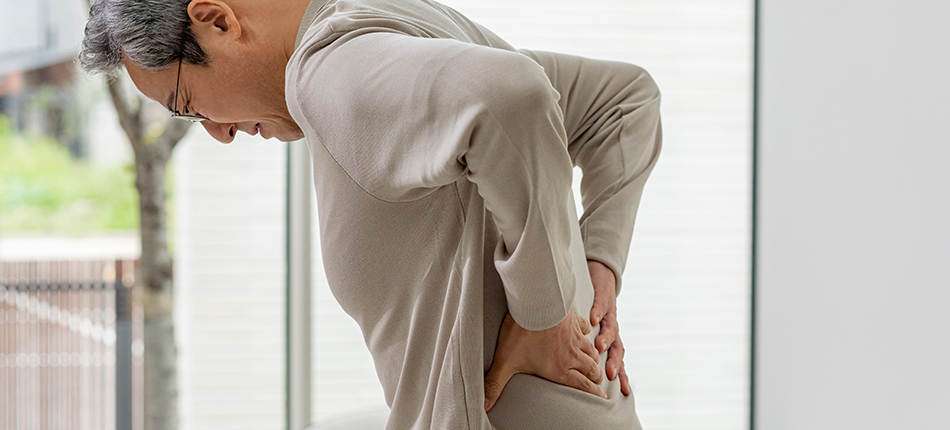
Lumbar disc herniation (also called a herniated lower back disc)
It occurs in younger people as well, from repeated poor posture and overexertion.
Symptoms
Low back pain, radiating pain from hip to leg,
Lower-body weakness
Triggering movements
When bending forward or when coughing or sneezing
Worsening pain
Causes
The disc (intervertebral disc) protrudes and compresses a nerve

02
Spinal canal stenosis (commonly called spinal stenosis)
If you keep stopping to rest while walking and the pain eases when you sit, stenosis is suspected.
Symptoms
Numbness in the buttocks and legs, intermittent claudication, difficulty walking, urinary and bowel difficulty
Triggering movements
Pain when leaning back, difficulty walking for long
Causes
The spinal canal narrows with aging, causing nerve compression
03
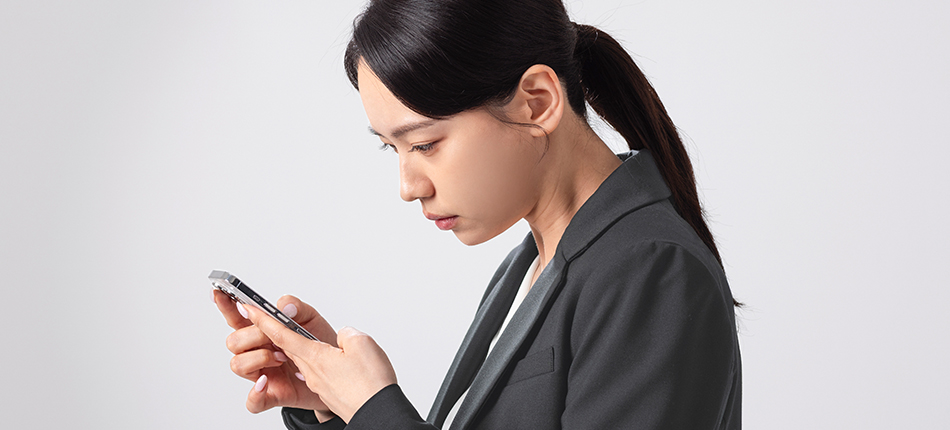
Straight neck / forward head posture (cervical disc herniation — a cervical structural change that can progress to this)
A neck whose C-curve has collapsed eventually leads to a disc problem
Symptoms
Smartphones, a bowed head, resting the chin on a hand,
Uneven pillow height
Triggering movements
Neck pain, shoulder stiffness, Numbness in the hands and feet, Headache / Migraine, Dizziness, chronic fatigue
Causes
Can develop into a cervical disc problem (neck disc)
04
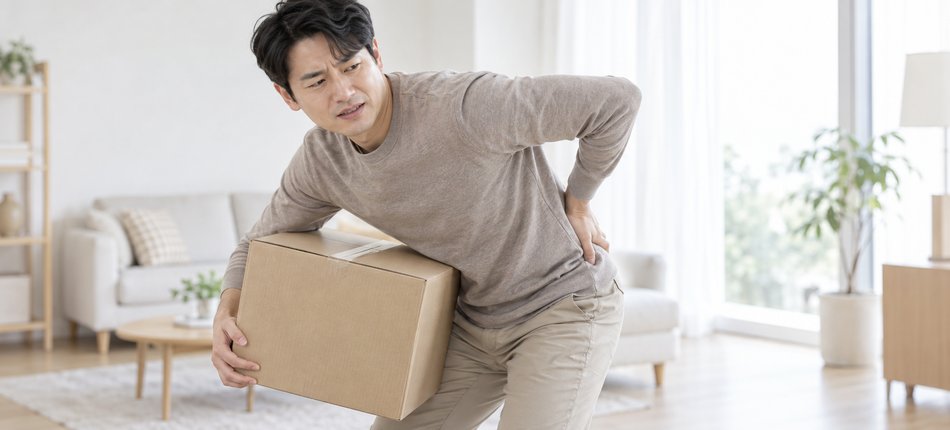
Acute Lower Back Pain (Acute back strain)
It comes on suddenly from a wrong movement and is different in nature from a chronic disc
Symptoms
The pain and stiffness that follow a strained lower back,
Limited movement
Causes
We see most of them as muscle and ligament problems
Features
Unlike a disc problem, the numbness running down the leg
is often absent, and it is important not to overexert early on
Spinal condition self-check list
If two or more apply, a detailed examination is needed.
01
The pain worsens when bending the back or the neck

02
Numbness and pulling pain spread into the leg or arm
03
Hard to walk for long, but it eases after sitting and resting a while
04
Stiffness is bad on waking in the morning, and the neck makes a sound when turned
05
There is forward head posture, with the head sitting ahead of the shoulders
06
Hands and feet feel cold, sensation is dull, or concentration drops noticeably
Teo Korean Medicine Clinic Bundang Integrated spine treatment philosophy
Muscle relaxation
Spinal alignment correction
Nerve recovery
Immune recovery
Using a nonsurgical, primarily non-drug approach,
we correct structural issues through multifaceted treatment.
Teo Korean Medicine Clinic follows
an integrated Korean medicine protocol spanning muscle relaxation, spinal alignment correction, nerve recovery, and immune recovery.
[ Spinal Conditions · Department 01 ]
Chuna manual therapy
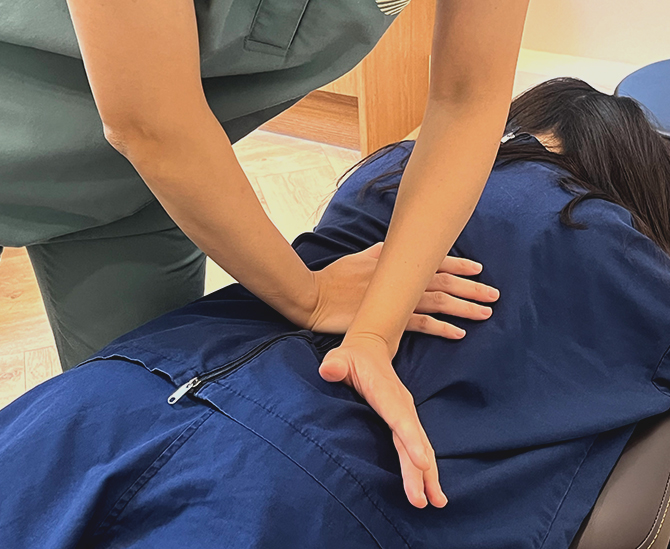
Chuna manual therapy that identifies the cause when pain arises and lays a solid foundation. It is the same as how a solid foundation is what keeps the building above it stable.
Chuna manual therapy (Korean manual therapy, similar to chiropractic) is a non-surgical treatment performed by a Korean medicine doctor using the hands. First, overall spinal alignment is corrected in a 1st stage through hands-on Chuna manual therapy, then Golta therapy is used alongside it to correct even the finer details, making the treatment as complete as possible.
As the pain gradually eases or the numbness weakens, you can clearly recognize for yourself that "my body is recovering."
Symptoms that can appear when pain arises in each section of the spine
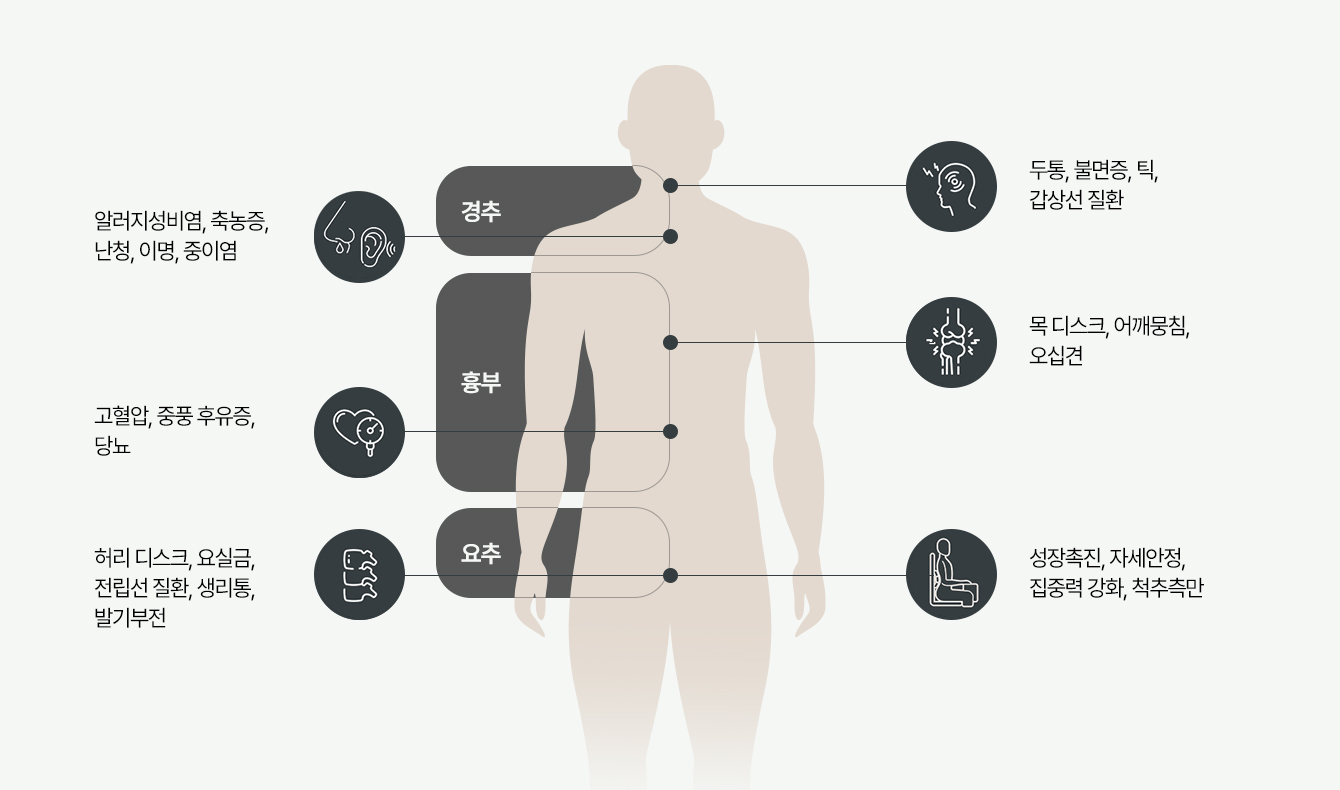
What the diagram shows
- Cervical spine (neck): allergic rhinitis, sinusitis, hearing loss, tinnitus, middle ear infection — headache, insomnia, tics, thyroid disorders
- Thoracic spine (upper back): high blood pressure, stroke after-effects, diabetes — neck disc problems, shoulder tension, frozen shoulder
- Lumbar spine (lower back): lumbar disc herniation, urinary incontinence, prostate disorders, menstrual pain, erectile dysfunction — growth support, posture stability, focus, scoliosis
COX technique
When a disc bulges or the nucleus herniates, By applying precise traction to the affected disc segment to return the nucleus pulposus toward its original position, It is specialized treatment that addresses the root cause of pain.
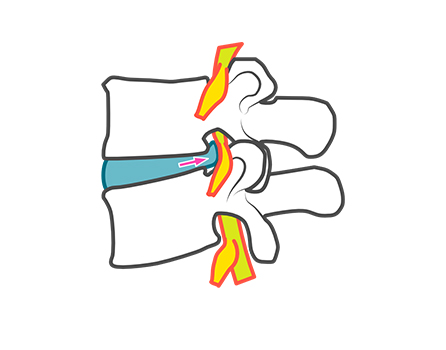
Before treatment
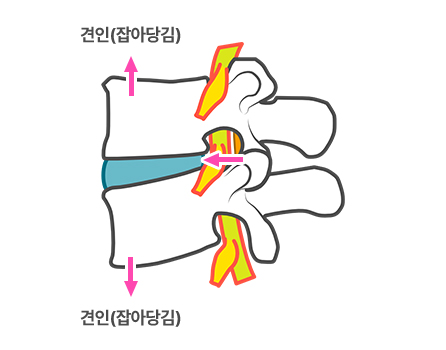
COX technique After treatment
Teo Korean Medicine Clinic's bone-tapping therapy
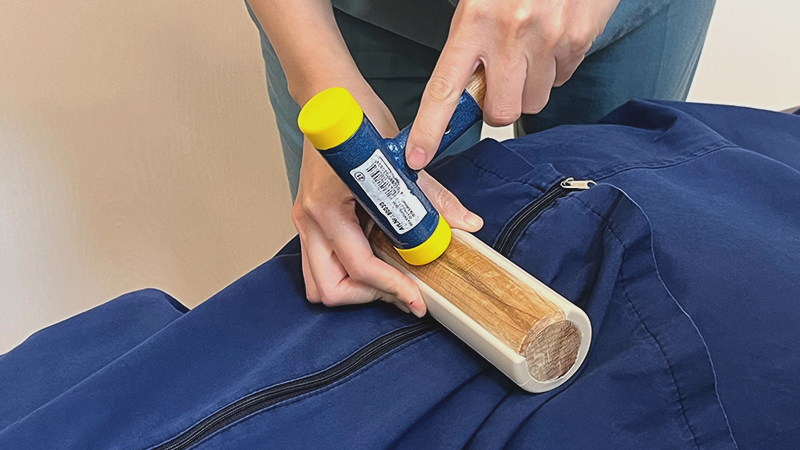
Teo Korean Medicine Clinic's Golta technique uses a tool made for spinal care to bring a twisted spine back into balance.
This is a special corrective technique that opens up the nerve passages compressed by spinal deformity and restores the range of motion of the spine through a light tapping method.
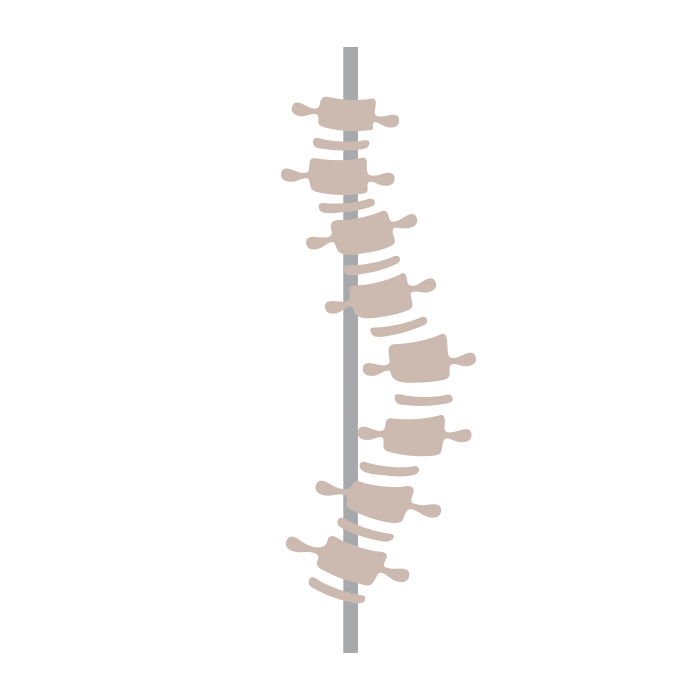
Misaligned and narrowed
condition of the spine
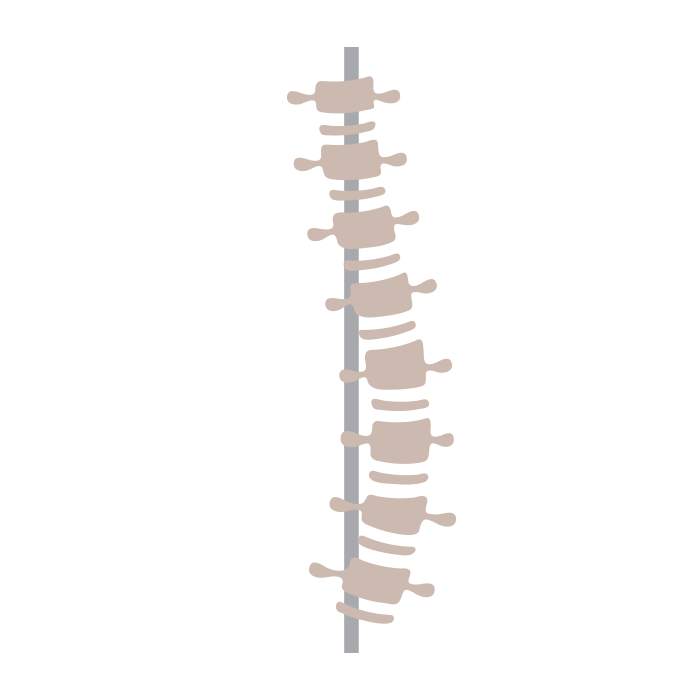
Setting the spine right with Chuna manual therapy, and
creating space between the vertebrae
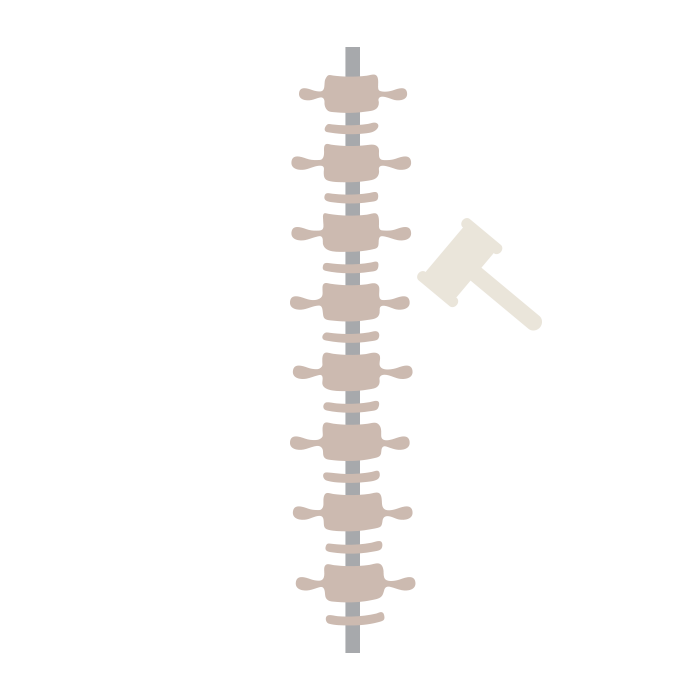
A medical hammer is used to
correct spinal alignment
TEO KOREAN MEDICINE CLINIC
[ Spinal Conditions, Specialty 02 ]
Musculoskeletal pain
Spinal Stenosis
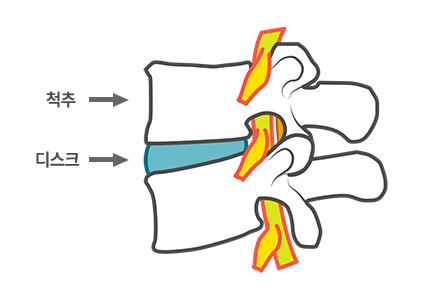
A normal spine
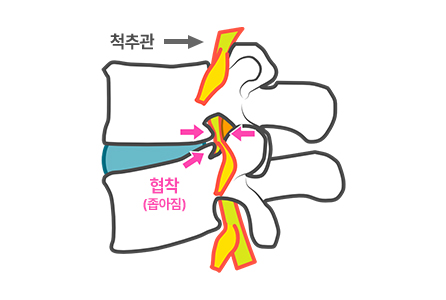
Spinal Stenosis
Straight neck / Forward head posture
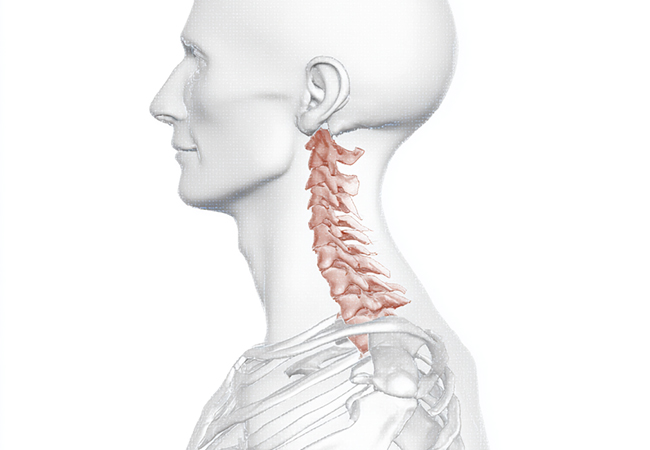
Normal neck
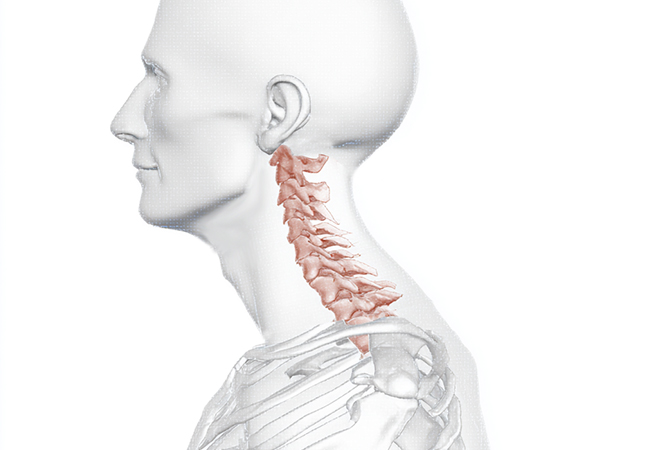
Straight neck / Forward head posture
Impact from the load on the neck
Fatigue and muscle knots around the neck can feel temporarily eased through massage or acupressure.
But the reason the tightness and fatigue come back after a while is that an imbalance in spinal alignment keeps placing a continuous load on the same area.
So what matters most is correcting the alignment of the neck.
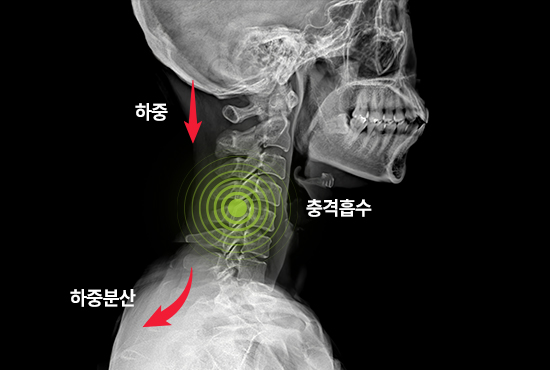
Impact on the normal load carried by the neck
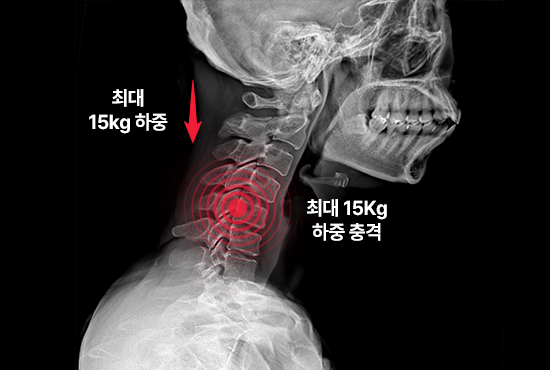
The impact of the load from a straight neck or forward head
Teo Korean Medicine Clinic's main Korean medicine treatments
Treatment is personalized by condition type and patient constitution
through one-on-one planning.
Detailed programs may differ by branch
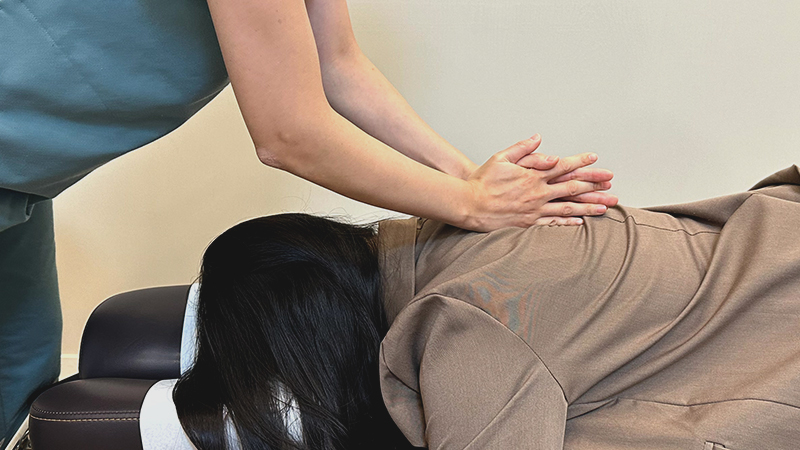
01
Chuna manual therapy
-
Structural correction and relief of nerve compression through the COX technique, bone-tapping therapy, and more
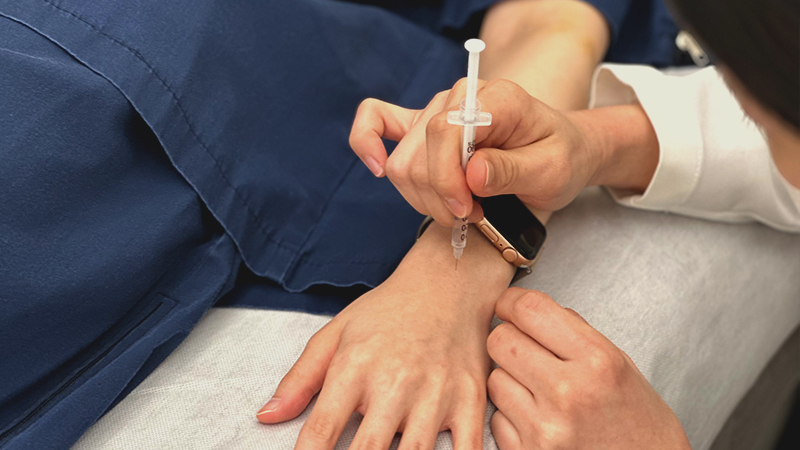
02
pharmacopuncture Treatment
-
Strong anti-inflammatory and pain-relieving action, nerve tissue regeneration
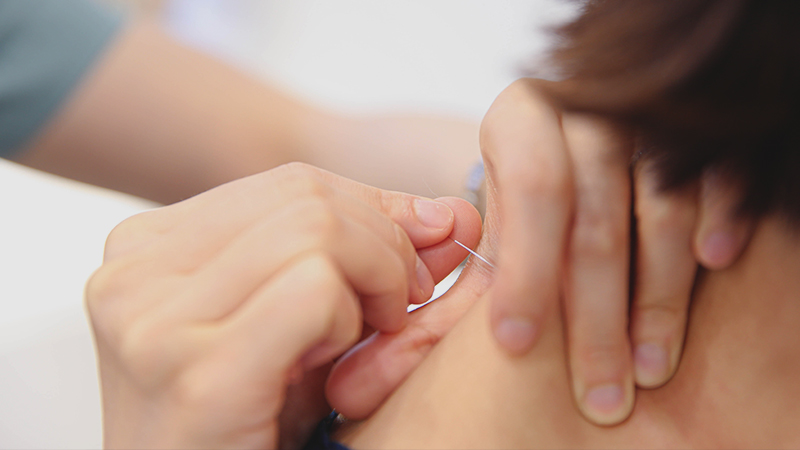
03
Acupuncture Treatment
-
Muscle relaxation, blood stasis clearing, pain reduction
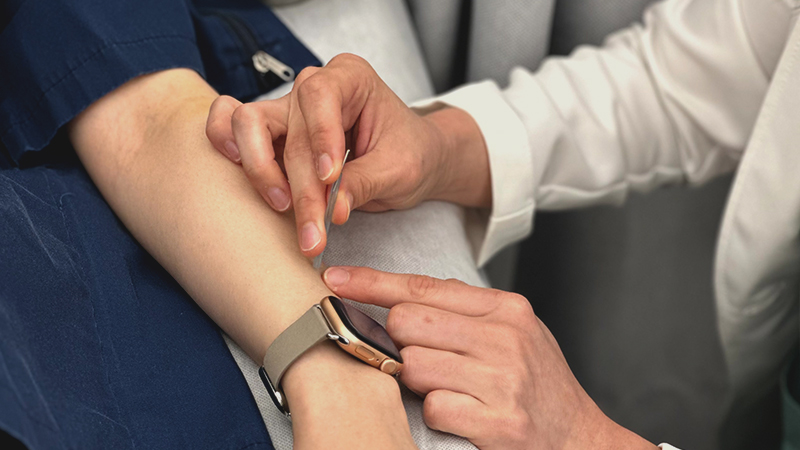
04
Constitutional acupuncture
-
Constitution-matched prescriptions, clearing inflammation, and strengthening ligament function
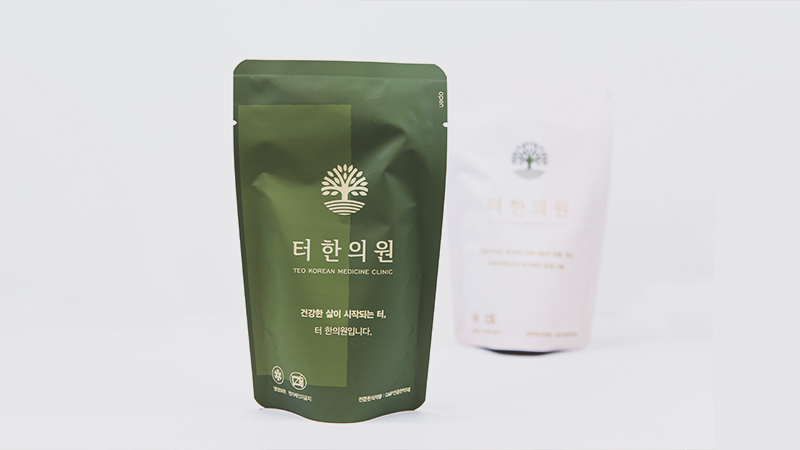
05
Herbal medicine care
-
Clearing blood stasis, replenishing body fluids, strengthening muscle and bone, and improving immunity
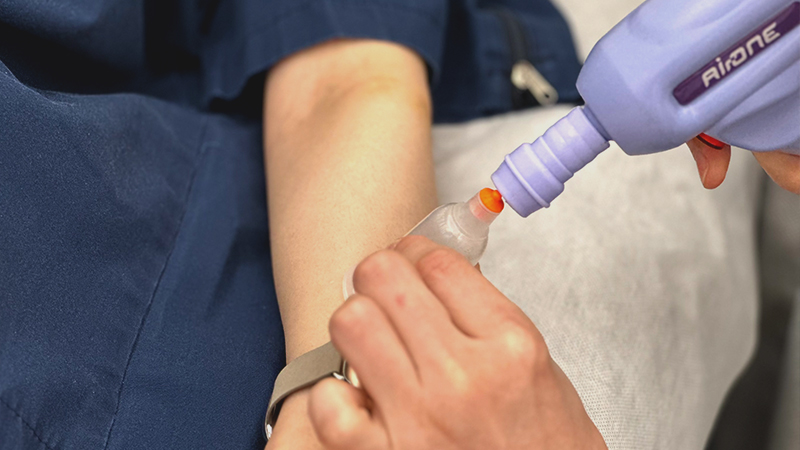
06
cupping/heat therapy
-
Improved blood flow, relief of muscle stiffness, and release of fatigue
Lifestyle care guide after treatment
-
Avoid excessive exercise; increase exercise gradually according to your condition
-
Consciously avoiding long smartphone use and a hunched posture
-
Stretching and posture correction for restoring the C-curve are essential
-
Improving postures that strain the cervical and lumbar spine, along with strength exercise
TEO KOREAN MEDICINE CLINIC
Spinal care - now is the golden window
Teo Korean Medicine Clinic views spinal conditions such as disc problems, stenosis, and straight neck
structurally, and through the fusion of Korean medicine's own treatments
with modern diagnosis, provides care that not only relieves pain
but also helps prevent recurrence.
Beyond care that reduces the pain you feel now,
we provide care that also prevents pain to come.
“
From the knees and shoulders to the wrists, elbows, and feet,
joint pain differs only in location;
addressing the underlying cause matters
Joint pain is not simply "a matter of age".
"My knee is aching, so it must be going to rain."
"My shoulder hurts and I cannot raise my arm."
"My elbow stings so much that even lifting a cup is hard."
Joint pain is Not only aging, but also repetitive overuse, poor body alignment, and accumulated micro-damage It arises from a range of causes.
The joints are connected organically, so A problem in one area can lead to whole-body imbalance.
“Rather than simply suppressing pain, Teo Korean Medicine Clinic uses
an integrated treatment system linking inflammation reduction, tissue recovery, and posture correction to
restore the underlying health of the joints.”
Major joint conditions by area
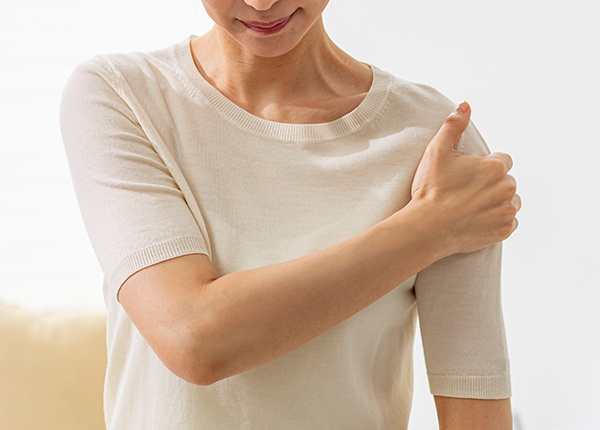
Shoulder pain
Frozen Shoulder (Adhesive Capsulitis)
The shoulder stiffens and the arm will not lift,
With sleep disturbance

Shoulder pain
Shoulder impingement syndrome
A deep ache and sharp twinge in the shoulder when lifting the arm
Friction from repeated use
Shoulder pain
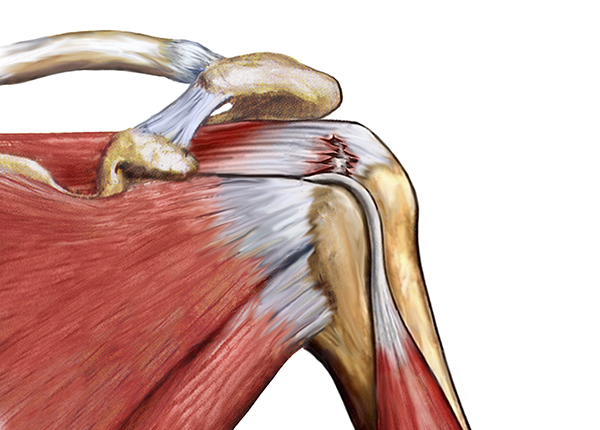
Rotator cuff tear
Pain and loss of strength when raising the arm,
A ligament tear that worsens over time
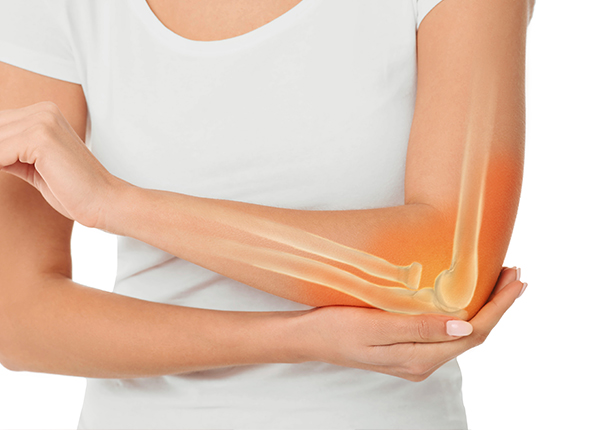
Elbow pain
Tennis/Golfer's elbow
Pain from inflammation on the inner and outer elbow,
Using chopsticks or brushing hair is hard too
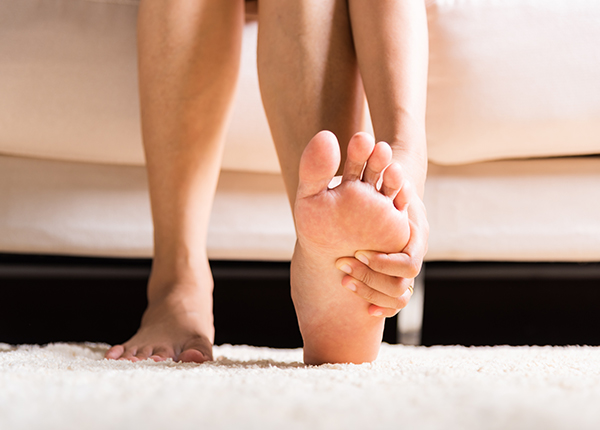
Foot pain
Plantar Fasciitis
Heel pain, a sharp jolt on the first step,
Difficulty standing for long
What causes frozen shoulder?
Despite its Korean name referring to the fifties, it can appear anywhere from the 40s to the 70s, so we do not conclude from age alone.
Aging
Occurs as aging brings inflammation and pain in the joint capsule, which then stiffens
Rotator cuff conditions
Progresses slowly from a rotator cuff condition and appears after the pain has been endured for a long time
Hormonal changes
In women, it occurs as bones and joints weaken from housework and hormonal changes
Frozen shoulder needs to be told apart from a rotator cuff tear. Do not judge by symptoms alone; come in and have it checked.
Joint condition self-check list
01
Raising the arm or bending it backward is limited
02
A sharp pain when using the elbow, along with a loss of strength
03
It is hard to walk for long because of pain in the sole
04
The joints hurt when lifting something or washing your hair
05
You wake from sleep with pain in the middle of the night, or find it hard to lie on the painful side
CHECKLIST
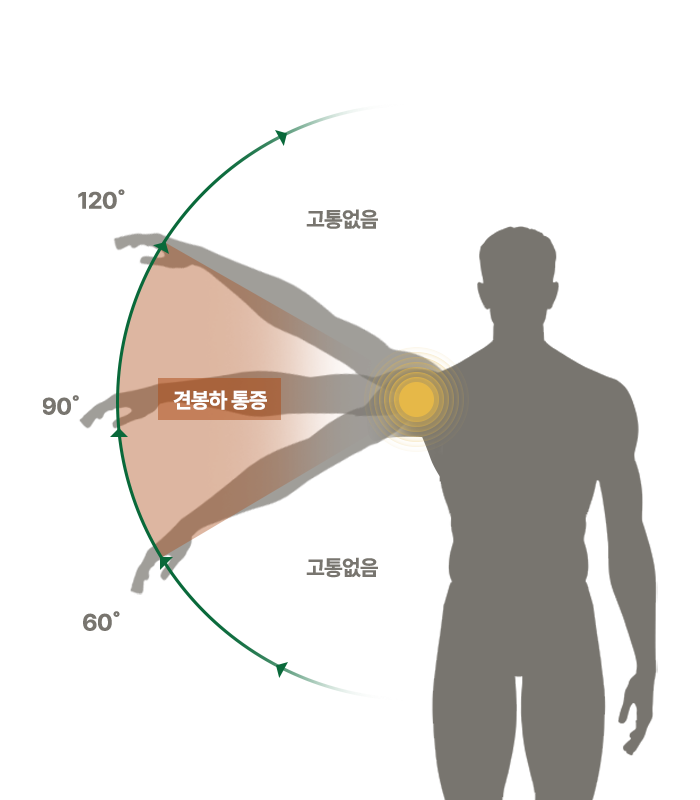
Could I have shoulder impingement syndrome?
If you have symptoms like the ones below, treatment after an accurate diagnosis is needed.
-
Pain when raising and moving the arm to about shoulder height
-
Pain when moving the arm above the head
-
A catching feeling deep in the shoulder when raising the arm
-
Hard to fall asleep lying on the painful side, and in severe cases waking from the pain
Teo Korean Medicine Clinic Bundang's joint care philosophy
"Care that reduces inflammation, restores structure, and brings function back"
-
01
Inflammation
-
02
Tendon & ligament injury
-
03
Body imbalance
-
04
Repetitive-use habits
Simple pain relief is not enough.
Teo Korean Medicine Clinic finds the causes of joint pain — inflammation, tendon and ligament damage, postural imbalance, and repetitive-use habits — and provides
tailored, non-surgical, drug-free integrated Korean medicine care.
Treatment program
All treatments are based on the patient's symptoms, constitution,
and lifestyle, with one-on-one personalized planning.
01
Acupuncture treatment
-
Easing inflammation, improving blood flow, reducing pain
02
Pharmacopuncture care
-
Pain and anti-inflammatory action, support for tissue regeneration
03
Constitutional acupuncture
-
Constitution-matched inflammation treatment, improved support
04
Herbal medicine care
-
Strengthening muscle and bone, replenishing qi and blood, restoring whole-body circulation
05
Chuna manual therapy
-
Joint alignment, structural correction, postural stability
06
Cupping / Heat therapy
-
Muscle relaxation, promoting recovery of the painful area
Lifestyle care guide after treatment
Care after treatment is more important
-
Staged rehabilitation exercise comes before strenuous exercise
-
Bracing, stretching, and
correcting everyday posture are essential -
For repeatedly used areas, changing how they are used is the
start of treatment -
Recognizing and improving postures and habits that strain the joints
Muscle pain and joint pain are told apart differently
Muscle pain that settles when movement is reduced
When pain appears in the knee, ankle, or shoulder after suddenly moving a lot, it can be confusing whether it is muscle pain or a problem with the joint itself. Muscle pain tends to settle as you move less, and the overused area tends to hurt more when pressed, so it mostly subsides after a few days of rest.
By contrast, joint pain arising from the cartilage, ligaments, or tendons themselves remains even at rest, and bending or straightening the joint may bring pain along with a feeling of instability or a sound. What makes it different from muscle pain is that it does not settle well with rest or with compresses.
If it is unchanged after 1 to 2 weeks, the joint itself needs to be checked
If it is simple muscle pain, care such as cold packs in the early stage and warm packs a few days later to release the tightened muscle is often enough. But if the pain stays the same or even worsens after rest and packs, it is worth looking at the possibility that the problem lies in the joint structure itself rather than in the muscle.
If you also have the symptoms listed in the self-assessment items above, all the more reason not to leave it alone; the first step is to find out which structure in which area is producing the pain.
TEO KOREAN MEDICINE CLINIC
Guide to joint care at Teo Korean Medicine Clinic
Teo Korean Medicine Clinic Bundang treats arthritis, frozen shoulder, plantar fasciitis, elbow conditions, and more.
For various joint pains, based on accurate differential diagnosis and systematic treatment,
we provide care that restores movement, not simply the suppression of pain.
A joint that moves well is a sound joint.
Because movement is quality of life.
“
Pain that arises during exercise does not simply go away by enduring it.
Before today's ‘micro-damage’
becomes ‘chronic pain,’
accurate diagnosis and early treatment are needed.

What is a sports injury?
'Sports injuries' refer to injuries such as muscle microtears, ligament sprains, and tendon overload that occur during exercise.
But they are not limited to athletes.
Causes of movement-related musculoskeletal conditions
Repeated arm use in daily life
Overload on the lower body from walking, running, and jumping
Accumulation of minor trauma and micro-impacts
All of these may become causes
of movement-related musculoskeletal conditions.
"Sports injuries occur not because you
'did something wrong' with exercise,
but because you 'did not rest properly' ."
Three common conditions
01
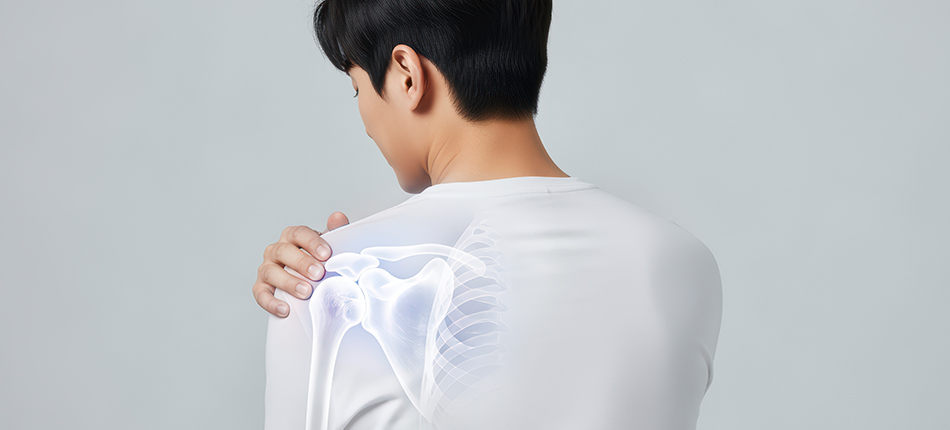
Shoulder tendon injury
Rotator cuff tear
Exercise or repeated use of the arm can tear one or more of the four tendons wrapping the shoulder, causing pain
-
Pain when raising the arm, a feeling of weakness
-
Limited rotation angle
02
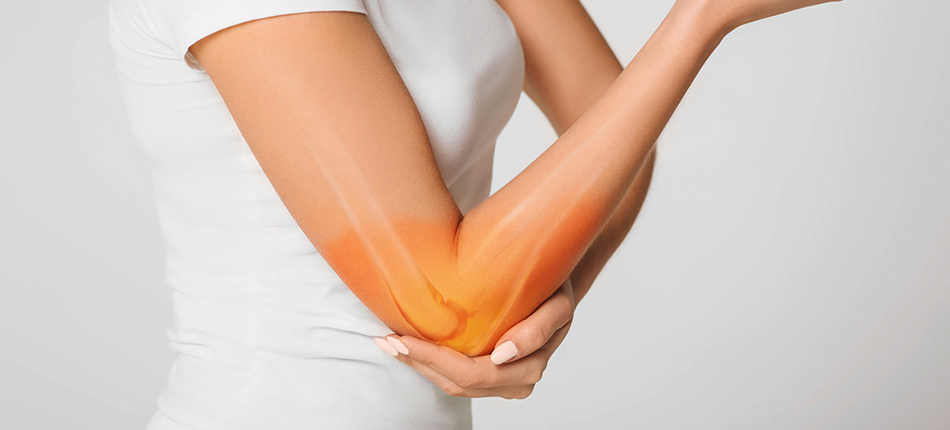
Elbow ligament injury
Tennis / Golfer's elbow
Racket sports and repetitive arm use cause micro-tears and inflammation in the elbow ligaments
-
Pain even with everyday movements such as using chopsticks or washing your hair
-
Classified by location: lateral (tennis) or medial (golf)
03
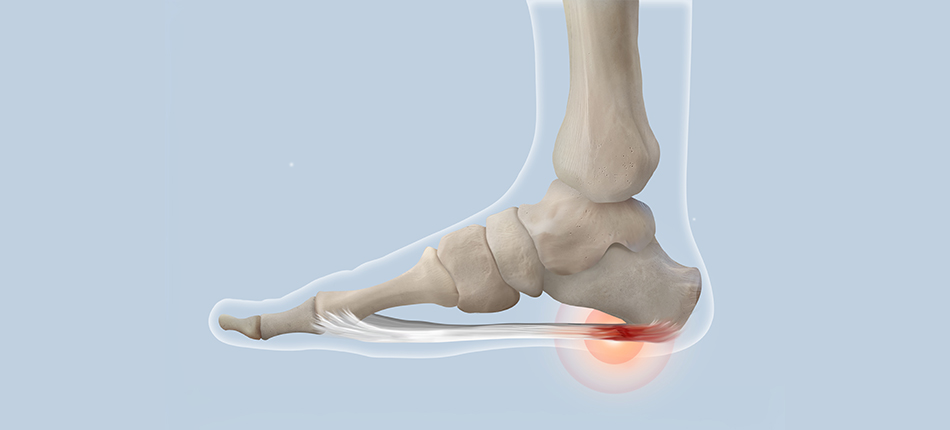
Plantar ligament inflammation
Plantar Fasciitis
From walking, jumping, wearing the wrong shoes, and the like
Inflammation appears as overload builds up in the ligament of the sole
-
A stabbing, needle-like pain when you take your first step in the morning
-
Worsens when standing or walking for long periods
[ Sports Injury Care 01 ]
Rotator cuff tears are
classified into three types.
Over time,
the extent of the tear grows larger.
Once a rotator cuff tear occurs, the extent of the tear gradually widens the longer it is left alone, and
the intensity of pain also rises, so it is better to understand the symptoms properly and treat them early.
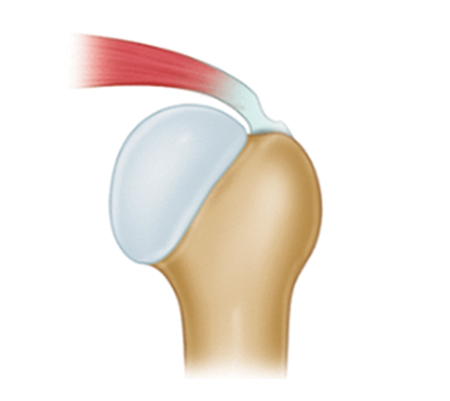
Moderate tear
Tear size 3 cm or less
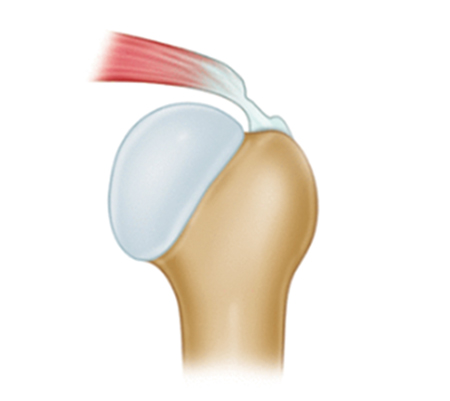
Large tear
Tear size 3 ~ 5cm
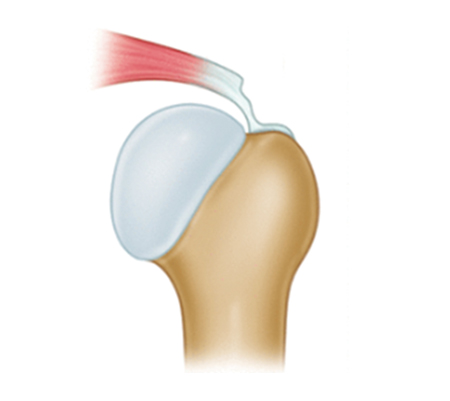
Massive tear
Tear size 5 cm or more
[ Sports Injury Care 02 ]
Lateral and medial epicondylitis Tennis elbow
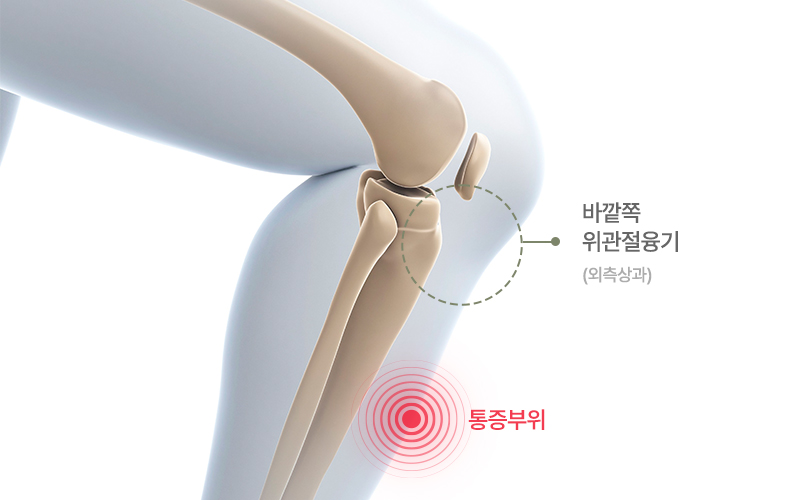
Lateral epicondylitis, tennis elbow
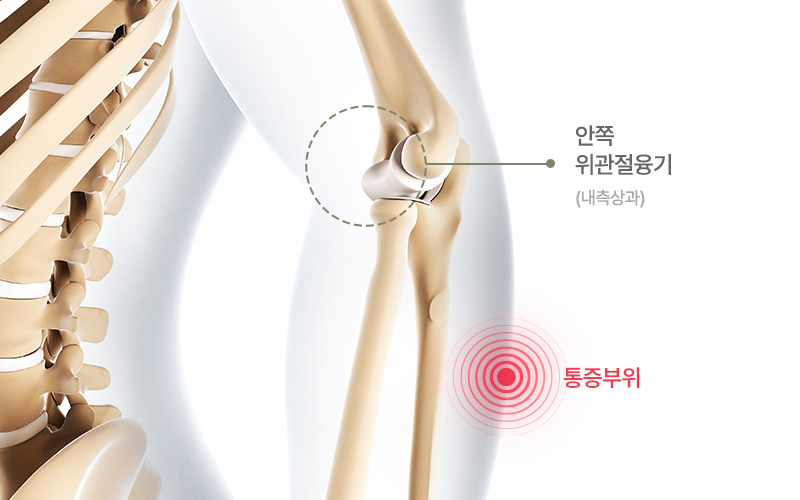
Medial epicondylitis, tennis elbow
Sports injury Main causes
01
Repeated movements during exercise
Excessive muscle use, insufficient preparation
02
Insufficient rest
Continuing strenuous activity without recovery time
03
Poor posture
Repeated stress building up on the joints and ligaments
04
Asymmetric use of the legs and arms
Overuse of the muscles on one side only
Sports injury self-check checklist
If even one applies, micro-damage may be under way.
01
Pain that came only on movement gradually starts to hurt 'even at rest'
02
It began as discomfort but is developing into pain
03
Swelling, weakness, or tingling appears after exercise or activity
04
You feel stiffness or pain in the morning or after holding one posture for a long time
Teo Korean Medicine Clinic's treatment philosophy
"Not only the painful area,
we treat movement as a whole."
-
01
Causes of pain
-
02
Recovery of the injured area
-
03
Realigning connected movement
Not treatment that stops at temporarily suppressing inflammation, but
Teo Korean Medicine Clinic Bundang We aim for nonsurgical treatment that addresses the cause of pain, recovery of the injured area, and readjustment of connected movement.
Treatment program
All treatments are tailored one-on-one based on the patient's symptoms, constitution,
and lifestyle.
01
Herbal medicine care
-
Strengthening ligaments, clearing inflammation, supporting regeneration
02
Pharmacopuncture care
-
Strong anti-inflammatory action + clearing blood stasis in the joint + tissue recovery
03
Constitutional acupuncture
-
Constitution-matched relief of inflammation, improved flow of qi and blood
04
Acupuncture treatment
-
Muscle relaxation, pain relief, and improved circulation
05
Chuna manual therapy
-
Joint alignment correction, functional recovery, preventing recurrence
Lifestyle care guide for recovery
Care after treatment is more important
-
Always stretch thoroughly before and after exercise
-
Rest immediately when pain arises, with a cold or warm compress
-
Take care with posture correction and using both sides evenly
-
Professional rehabilitation exercise guidance is essential for restoring function
TEO KOREAN MEDICINE CLINIC
Your current pain,
so it does not block tomorrow's exercise
Teo Korean Medicine Clinic does not ask you to stop exercising; instead,
we aim to provide treatment that makes it possible to start exercising again.
If you want to exercise without getting injured,
recovery matters as much as exercise.
“
If your body feels heavy and keeps tightening up,
the underlying 'misalignment'
must be corrected first.
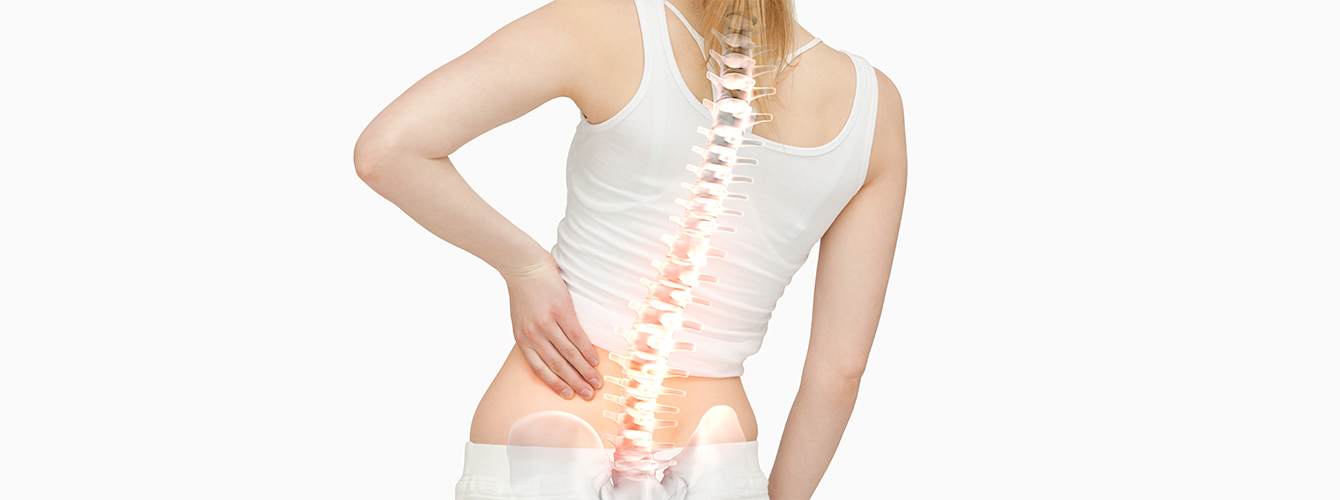
When your posture is off,
pain is inevitable.
A life spent sitting all day, a posture leaning to one side,
external impact, and long-standing habits all break down the balance of the body.
Pain from postural imbalance
Muscle pain
Muscle stiffness
Myofascial Pain
Stiffness in the neck, shoulders, and lower back
As a result,
recurring pain becomes chronic.
“It may not be simple muscle pain.
A structural problem in which the alignment of the spine, pelvis, and joints has broken down may be the cause.”
Postural imbalance self-assessment checklist
If you have these symptoms, posture correction is needed.
01
Shoulder or pelvic heights differ and you feel a difference in leg length
02
My neck and shoulders are stiff when I sit all day
03
Swelling in the face, arms, and legs is frequent, and left-right balance feels off
04
Trousers or skirts keep twisting to one side
05
One shoe wears down faster
06
Muscle fatigue in the arms and legs is asymmetric left to right
07
There are outward changes such as bowed legs (knock knees or bow legs), a rounded back, forward head, or facial asymmetry
Postural imbalance: Main causes
01
Sedentary lifestyle
From long hours of sitting
Lower back / Pelvic misalignment
02
External impact
Traffic accidents, falls,
Childbirth, etc.
03
Repetitive work
Lifting heavy objects,
Repeated one-sided arm use
04
Postural habits
Crossing the legs, resting the chin on a hand,
Leaning to one side
05
Growth-related issues
A twisted posture affects the growth plates
The Teo Korean Medicine Clinic posture correction philosophy
"To reduce pain,
the direction of the bones has to be corrected first."
The purpose of posture correction does not stop at outward improvement or a momentary feeling of relief.
The spine and pelvis are the central axis that regulates the autonomic nervous system and organ function in our body.
If this structure is thrown off, it can lead not only to muscle and nerve pain but even to internal symptoms.
In body alignment care we look together at posture correction, which examines how you sit and stand, spinal correction, which checks the alignment and movement of the spine, and pelvic correction, which looks at left-right pelvic balance; then Chuna manual therapy is used to adjust the twisted axis and release tightened muscles.
Proper posture correction
corrects the ‘misaligned axis’ and
restores the ‘entire structure.’
Treatment targets
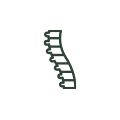
Straight neck, forward head
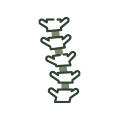
Scoliosis

Pelvic misalignment
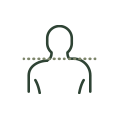
Shoulder asymmetry
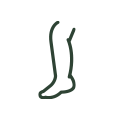
Knock-knees / Bowlegs
Facial asymmetry

Growth disorder
Rounded back
Chronic myofascial pain, muscle stiffness
Posture correction treatment program
All treatments are tailored one-on-one based on the patient's symptoms, constitution,
and lifestyle.
01
Chuna manual therapy
-
Restoring spinal and pelvic alignment, recovering posture
02
Golta therapy
-
Correction guided by fine joint stimulation
03
Acupuncture treatment
-
Releasing shortened muscles and easing tightness
04
Pharmacopuncture care
-
Easing inflammation + supporting tissue regeneration
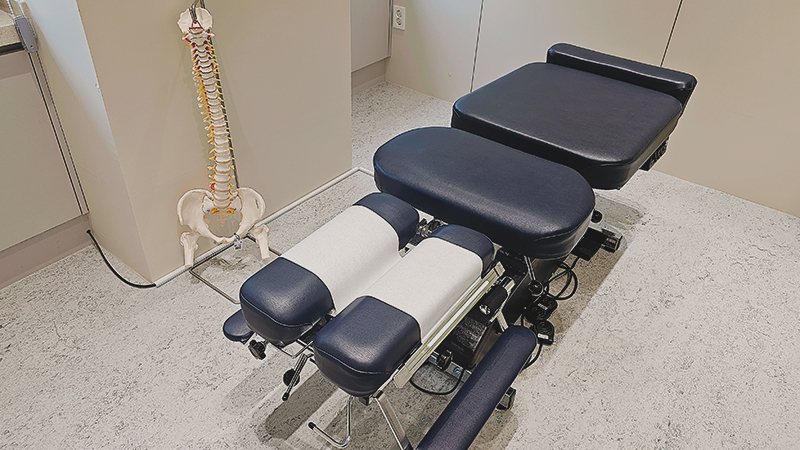
05
COX technique
-
Relief of disc compression, reduced nerve pain
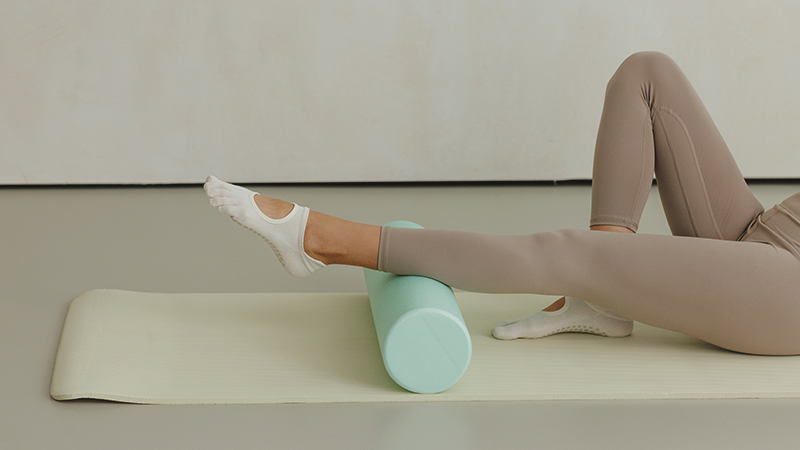
06
Exercise / Lifestyle correction
-
Guidance on sustainable ways to keep your posture
A daily-care guide for posture correction
-
When sitting for long periods, stretch at least once an hour
-
Avoid crossing your legs, resting your chin on your hand, or leaning to one side
-
Weight loss also helps a great deal in easing postural imbalance
-
Pillow height and mattress firmness during sleep need to be checked
-
Maintenance exercise and posture training are essential after posture correction
TEO KOREAN MEDICINE CLINIC
When posture is right, pain goes away too.
Teo Korean Medicine Clinic, drawing on Chuna manual therapy know-how refined through extensive clinical experience and ongoing research,
carries out treatment — from accurate diagnosis → customized correction → muscle recovery → maintenance —
that restores body alignment from the root.
When the body stands straight, daily life becomes easier.
How we proceed
Checklist
We check the chief complaint.
We check when it began and what caused it.
We check the situations that make it worse.
We check your medical and surgical history and current medications.
We check tenderness and range of motion.
We check pelvic tilt and leg-length difference.
We check cervical and thoracic displacement and asymmetry.
We check tenderness at each spinal segment.
We check the distribution of nerve symptoms.
Chuna manual therapy steps
01
We start Chuna manual therapy from the pelvis and legs.
02
Lumbar Chuna manual therapy is carried out.
03
Thoracic Chuna manual therapy is carried out.
04
Cervical Chuna manual therapy is carried out. It is added or left out as needed.
Treatment schedule
01
For about the first 1 week, sessions run 3 to 5 times a week.
02
In weeks 2–3, sessions are every other day, 3 times a week.
03
After that, twice a week.
04
If the pain is not severe and the goal is correction, sessions are held 3 times a week at first, and 2 times a week afterward.
Items checked along with bee venom acupuncture
For bee venom pharmacopuncture we check previous bee venom and pharmacopuncture experience and start with a test dose on the first day.
We check nerve symptoms such as numbness in the arms and legs, along with jaw joint and upper cervical spine problems.
Facial nerve system
Guides facial nerve care, which looks at changes in movement on one side of the face and at symptoms around the eye and mouth.
01
Facial palsy
We explain symptoms such as the mouth pulling to one side or difficulty closing the eye completely, and how they progress.
Frequently Asked Questions
FAQ
How often should I get Chuna manual therapy?
For about the first 1 week, sessions are 3 to 5 times a week; in weeks 2 to 3, every other day for 3 times a week; and after that, 2 times a week. If the pain is not severe and correction is the goal, it is 3 times a week at first and 2 times a week after that.
In what order is Chuna manual therapy done?
We proceed in the order of pelvis and legs, lumbar spine, thoracic spine, and cervical spine, adding or skipping parts as needed.
How do I start if this is my first bee venom pharmacopuncture?
We check your previous bee venom and pharmacopuncture experience and start with a test dose on the first day.
My back hurts; do you also look at numbness in my arms and legs?
We also check TMJ and upper cervical problems along with nerve symptoms such as numbness in the arms and legs.
What do you check at a first visit for pain?
We check the chief complaint, when and why it began, what makes it worse, past medical history, history of operations, current medications, tenderness, range of motion, pelvic tilt, leg length difference, cervical and thoracic displacement and asymmetry, tenderness at each spinal segment, and the distribution of nerve symptoms.
Why does frozen shoulder develop?
It can develop as the joint capsule becomes inflamed and painful with aging and stiffens, as a rotator cuff condition progresses gradually, or, in women, as bones and joints weaken due to housework and hormonal changes.
How is frozen shoulder different from a rotator cuff tear?
Frozen shoulder needs to be told apart from a rotator cuff tear. Do not judge by symptoms alone; come in and have it checked.
How do you tell muscle pain from joint pain?
Muscle pain eases as movement is reduced and mostly settles after a few days of rest. Joint pain remains even at rest, comes with a feeling of instability or a sound when bending or straightening the joint, and does not settle easily with rest or hot and cold packs alone.
What if I thought it was simple muscle pain but the pain continues?
If pain stays the same or worsens for more than 1–2 weeks despite rest and cold or warm compresses, it may be a problem with the joint structure itself rather than the muscle, so it should not be left alone but checked.
Location & Treatment Info
Branch Name
Teo Korean Medicine Clinic Bundang
Address
67 Dolma-ro, Bundang-gu, Seongnam, Gyeonggi-do (Geumsan JamWorld, 2F)
Nearest station
Suin-Bundang Line and Shinbundang Line Migeum Station, Exits 1 and 2 · Exit 1 — 2F of Geumsan Gem World (JS King Hotel) on the right · Exit 2 — 2F of Geumsan Gem World (JS King Hotel) on the left
Bus
Get off at Migeum Station 2001 Outlet bus stop; walk 288 m
Teo Korean Medicine Clinic Bundang Posture correction & pain Service Area
Teo Korean Medicine Clinic Bundang: Posture correction & pain care, patients come to us from Geumgok-dong·Jeongja-dong·Gumi-dong·Sunae-dong·Seohyeon-dong·Imae-dong·Yatap-dong.
The subway stations used are Migeum Station·Jeongja Station·Ori Station·Sunae Station·Seohyeon Station·Imae Station·Yatap Station.